In the electrical and electronic industries, enameled wires play a pivotal role in various applications, from motors and transformers to inductors and solenoids. As a seasoned supplier of enameled round wire, I am often asked about the differences between enameled round wire and flat wire. In this blog post, I will delve into the key distinctions between these two types of enameled wires, exploring their characteristics, applications, advantages, and limitations. Enameled Round Wire
Physical Characteristics
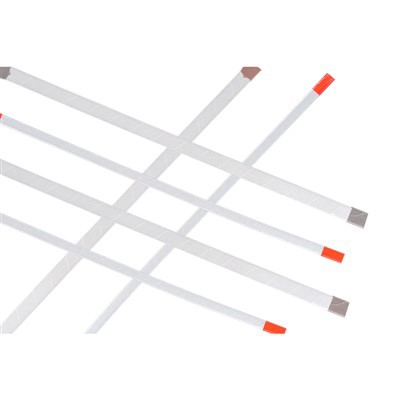
One of the most apparent differences between enameled round wire and flat wire lies in their physical shape. As the name suggests, enameled round wire has a circular cross – section, while enameled flat wire has a rectangular or square cross – section. This difference in shape leads to several variations in their physical properties.
The round wire’s circular shape is uniform in all directions, which makes it easier to wind into coils. It can be wound tightly and evenly, and the circular cross – section allows for smooth rotation in applications such as motors. On the other hand, the flat wire’s rectangular shape provides a larger surface area compared to a round wire of the same cross – sectional area. This characteristic is beneficial in applications where heat dissipation is crucial, as the larger surface area facilitates better heat transfer.
Electrical Properties
When it comes to electrical conductivity, both enameled round and flat wires are made from highly conductive materials such as copper or aluminum, typically coated with a thin layer of enamel insulation. However, the shape of the wire can affect its electrical performance.
In high – frequency applications, the skin effect becomes a significant factor. The skin effect causes the alternating current to flow mainly near the surface of the conductor. For round wire, the current distribution may be less uniform compared to flat wire. The flat wire’s larger surface – to – volume ratio allows for a more even distribution of current at high frequencies, which can reduce the resistance and power losses.
Another aspect is the ampacity, or the maximum amount of electrical current a wire can safely carry. Due to its larger surface area, flat wire generally has a higher ampacity than round wire of the same cross – sectional area. This means that flat wire can handle more current without overheating, making it suitable for high – power applications.
Mechanical Properties
The mechanical properties of enameled round and flat wires also differ significantly. Round wire is more flexible than flat wire. Its circular shape allows it to bend and twist easily, making it ideal for applications where complex winding patterns are required. For example, in small – sized motors or precision electronic components, the flexibility of round wire enables it to be wound into tight spaces and intricate coil designs.
In contrast, flat wire is stiffer due to its rectangular cross – section. While this stiffness may limit its flexibility, it provides better stability and support when wound into coils. This is particularly useful in large – scale transformers and power motors, where the coils need to maintain their shape and resist mechanical stress. The flat profile of the wire also allows for more efficient packing in a coil, increasing the space utilization and potentially reducing the size of the electromagnetic device.
Applications
The unique characteristics of enameled round and flat wires make them suitable for different applications. Enameled round wire is widely used in small – to – medium – sized motors, such as those found in household appliances, office equipment, and automotive accessories. Its flexibility allows it to be wound into the small and complex coils required in these applications. Additionally, round wire is commonly used in inductors, relays, and small transformers, where its uniform current distribution and ease of winding are advantageous.
Enameled flat wire, on the other hand, is often employed in large – power motors and high – voltage transformers. The high ampacity and better heat dissipation properties of flat wire make it well – suited for handling large amounts of electrical power. In addition, flat wire is used in some specialized applications, such as busbars in electrical panels, where its flat shape allows for easy connection and efficient power distribution.
Manufacturing Processes
The manufacturing processes for enameled round and flat wires also have some differences. The production of enameled round wire typically involves drawing a metal rod through a series of dies to reduce its diameter gradually to the desired size. After the drawing process, the wire is coated with enamel insulation using a dipping or spraying method, followed by a curing process to harden the enamel.
The manufacturing of enameled flat wire is more complex. In addition to the initial drawing process, flat wire often requires a special shaping process to achieve the rectangular or square cross – section. This may involve rolling or pressing the round wire into a flat shape. The insulation coating process for flat wire is similar to that of round wire, but additional steps may be needed to ensure uniform coating on the larger surface area.
Advantages and Disadvantages
Each type of wire has its own set of advantages and disadvantages. The advantages of enameled round wire include its high flexibility, ease of winding, and relatively simple manufacturing process. These features make it cost – effective for mass – production of small – to – medium – sized electrical components. However, the relatively lower ampacity and potentially less – efficient heat dissipation compared to flat wire can be limiting factors in high – power applications.
Enameled flat wire offers advantages such as high ampacity, better heat dissipation, and efficient space utilization in coils. These properties make it suitable for high – power and large – scale electrical devices. Nevertheless, the higher complexity of its manufacturing process and lower flexibility can result in higher production costs, and it may not be suitable for applications requiring intricate winding patterns.
Conclusion
In summary, enameled round wire and flat wire have distinct differences in their physical, electrical, and mechanical properties, as well as in their manufacturing processes and applications. As a supplier of enameled round wire, I understand the unique requirements of different customers and the importance of choosing the right type of wire for their specific applications.
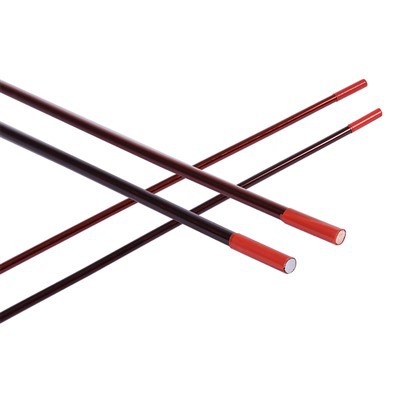
Whether you need enameled round wire for your small – scale electrical projects or are considering the use of flat wire for high – power applications, I am here to provide you with high – quality products and professional advice. Our enameled round wires are manufactured with strict quality control measures to ensure excellent electrical and mechanical performance. We can also offer customized solutions to meet your specific needs.
Wrapped Wire If you are interested in learning more about our enameled round wires or have any questions about the differences between round and flat wires, please don’t hesitate to contact me to start a procurement negotiation. I look forward to working with you to find the best wire solutions for your business.
References
- Grover, F. W. (1946). Inductance Calculations: Working Formulas and Tables. Dover Publications.
- Chapman, S. J. (2012). Electric Machinery Fundamentals. McGraw – Hill Education.
- Fitzgerald, A. E., Kingsley, C., & Umans, S. D. (2003). Electric Machinery. McGraw – Hill.
Tianjin Jingwei Power Technology Co., Ltd.
As one of the most professional enameled round wire manufacturers and suppliers in China, we’re featured by quality products and good service. Please rest assured to buy durable enameled round wire made in China here from our factory. Contact us for more details.
Address: No.1 Chuangxin Rd. Xiaozhan Industrial Park, Jinnan District, Tianjin, China
E-mail: info@jwdc.cn
WebSite: https://www.jw-dcs.com/
