Hey everyone! Let’s cut to the chase today—if you’ve ever shopped around for laminating film, you’ve definitely seen the random question pop up in inbox DMs or Instagram comments: “Can it be used for documents lamination?” For those of us in the small roll laminating film game, this is such a common one, and honestly? It’s not a yes/no answer—mostly because most people don’t realize their “it” could be a dozen different types of film. Let me break this down like I would if you were standing at my desk asking over a cold soda, no fancy jargon or corporate fluff. Small Roll Laminating Film
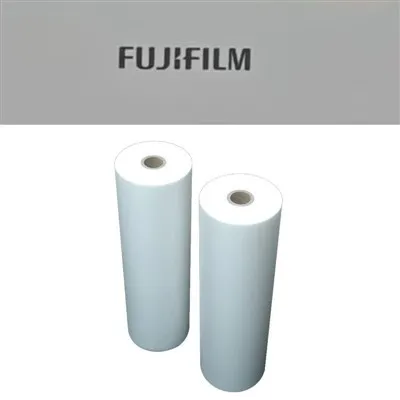
First off, let’s get super specific: I’m the small roll laminating film supplier guy, not some big-box store rep who shills whatever’s in the pallet that week. I’ve been doing this for 7 years—started in my garage, just me and my buddy with a laminator and a bulk order we picked up at a local industrial surplus sale. Back then, I’d roll out 100ft of film for a small business owner who needed to laminate 50 employee ID cards, and today I still get the same “wait, can my stuff go on your film?” questions, just now it’s for people who run tiny print shops, mom-and-pop schools, even a few freelance graphic designers who hate wasting material.
Let’s start with the basics: What is document lamination, anyway? Most folks think it’s just slapping a clear film on a paper to make it waterproof and durable, but there’s actual nuance here. Documents aren’t all the same, right? You’ve got 8.5×11 copy paper for a classroom poster, 11×17 cardstock for a local restaurant’s takeout menu, thin resume paper for job apps, even old family photos someone wants to turn into a wall decal (don’t even get me started on how many people call those “documents” now, and I’m here for it). Document lamination needs to hold up to daily knocks—being stuffed in a backpack, spilled coffee on, maybe even a quick wipe with a wet rag if it’s a kids’ craft sign. It doesn’t need to be thick enough to protect a motorcycle license plate or a shipping label that’s gonna go through 10 trucks, but it does need to be strong enough not to bubble, peel, or fog up when you’re done.
Now, back to the big question: Can small roll laminating film be used for this? Let’s split this into two parts because “small roll” is a broad term. There’s the roll you get for a home laminator—like the 12-inch rolls from office supply stores that cost $10 and fit that tiny desk laminator you used once for a kid’s science fair project. Then there’s the professional small roll stuff, which is what I sell: 1-inch core rolls, usually 100 to 500 feet long, 3 to 12 inches wide, made for desktop laminators that most small businesses or home offices use.
First, the home laminator small rolls: Yeah, they can work but you gotta pick the right thickness. Most home laminators use 3mil or 5mil film. 3mil is super thin—great for one-off projects like a book cover you want to protect for a few months, or a kid’s homework sheet that’s only gonna get crumpled once or twice. But if you’re laminating something that’ll get heavy use, like a weekly grocery list taped to the fridge, or a volunteer sign-up sheet for a PTA bake sale, go for 5mil. It’s not as flimsy, doesn’t bubble as easily, and even if you spill soda on it, you can just wipe it off instead of it seeping through to the paper. The mistake I see people make with home rolls is buying super cheap 1.5mil film from a grocery store shelf— that stuff peels off after a week, it’s useless for documents you actually need to keep.
Then the pro small roll film (my jam, for the people who’ve graduated past their old desk laminator and bought a better one for work): This is the good stuff, and it’s perfect for most document lamination. Let’s talk about why. First, small rolls for professional use have two types of adhesive—hot melt, which is what most desktop laminators use, and pressure-sensitive, which is for cold laminators. For documents, hot melt is almost always the way to go because it creates a tighter bond without leaving that weird sticky edge you get with pressure-sensitive. I remember a client last year who runs a local tutoring center—they laminate all their flashcards, and before they switched to my 5mil hot melt small rolls, they were using big industrial rolls that cost twice as much and were a pain to unload on their tiny desktop laminator. Now they order every month, and they tell me the flashcards last twice as long, no peeling, no bubbles.
Wait, but hold on—there are exceptions. If your “document” is something super specific, like a birth certificate you want to laminate, or a legal contract? Wait, no—wait, let’s clarify: Legal stuff, if you want to keep it official, you can laminate it? Wait, no, actually, some places say don’t laminate original legal documents because it can make it hard to photocopy, but if you’re making a copy to laminate for your own records, small roll film works. Another exception: If your document is very thin, like a thin rice paper art print you laminated for a gallery show? You need a super thin small roll—like 2mil—because the thicker stuff will make the paper curl weird, or the heat from the laminator will warp it. That’s the thing about small rolls—they’re not one size fits all, which is why I always ask clients a few quick questions before I send a quote: What’s the paper weight of your document? How often will it get handled? Do you want it waterproof? That’s how I guide them to the right roll, no guesswork.
Let me also bust a myth here, because I get this all the time: “Small roll film is only for laminating things bigger than paper, right?” No, that’s the big industrial roll stuff for posters or banner. Small rolls are made exactly for standard paper sizes. I sell 8.5×11 rolls, 11×17 rolls, even 3×5 rolls for index cards—people use those for flashcards too. I had a high school teacher order a 6-inch roll last year for laminated desk nametags, and she said it worked way better than the pre-cut pouches she was buying before. Pre-cut pouches are fine, but small rolls are cheaper if you’re laminating more than like 20 documents, and you don’t have to trim the pouch edges (which always leave that weird thin strip you don’t want).
Another thing: Fogging. That’s the big complaint with cheap film, right? You laminate a document, and a week later it’s all cloudy like it’s been in the freezer. Why does that happen? Usually because the film is too thin, or the adhesive is low quality, or you heated the laminator too hot. The small roll film I sell is BOPP (biaxially oriented polypropylene) with a water-based adhesive, so it doesn’t fog up—even if you laminate a document, put it in a backpack that gets left in the sun, it stays clear. That’s a huge plus for documents that need to look professional, like a small business’s price list, or a wedding menu someone’s making at home.
Wait, let’s talk about when small roll film isn’t the best. If you’re laminating a stack of 100 shipping labels, for example, go for a thicker industrial roll—3mil is too thin, 5mil is okay, but if you need it to last through cross-country shipping, 7mil is better. But for documents—stuff that’s going to be used indoors, handled by people a few times a week, waterproof for spills? Small roll film is perfect. I had a client who runs a coffee shop, they laminate their daily menu, and they’ve been using my 4mil small rolls for 2 years. They spill lattes on it all the time, just wipe it with a paper towel, no damage. That’s exactly what document lamination is for—practical, long-lasting, no fuss.
Let me also share a quick tip for anyone doing this themselves, whether you’re using a home laminator or a pro one. If you’re using small roll film, always make sure you align the edge of the film with the edge of your document, leaving about a 1/8 inch gap on all sides. If you get too close, the adhesive can leak out, or the film will pull away. Also, if your laminator has adjustable temperature, turn it down a little for thinner paper—too much heat will make the paper curl, especially with thin resume paper or old photos. I learned that the hard way my first year in business—sent a sample roll to a photographer who wanted to laminate old family photos, she called me and said her laminator melted the photo, I felt terrible, so now I always include a little tip sheet with every order about adjusting temperature based on project.
Now, let’s get to the part where I’m not just rambling about film—if you’re reading this and you’re someone who needs to laminate documents, maybe you’re a small print shop owner, a teacher, a restaurant owner, a home office worker, hit me up. I don’t do the big bulk orders that take 2 weeks to ship, I do small, fast-rolling orders because I know how important it is to have film when you need it—you don’t want to wait a week to laminate your menu before the weekend rush, right? I’ve got rolls in stock in all the common sizes: 12-inch for standard documents, 8-inch for flashcards, 6-inch for nametags, all thicknesses from 2mil to 7mil, whatever works for your project. No fancy minimums, no hidden fees, just straight-up small roll laminating film that works for documents.
Wait, let’s circle back to the original question one more time, to make sure I didn’t skip anything. Can it be used for documents lamination? 100% yes—when you pick the right small roll. If you grab a cheap 1.5mil roll from a gas station shelf, no, it’ll peel in a week. If you get a pro-grade 3-7mil hot melt small roll? It’ll last for months, even years, handle spills, be clear, no bubbles. That’s the answer I always give people, because it’s not a “yes” or “no” without context. I see so many blog posts that just say “laminating film works for documents” but don’t tell you which type, and that’s the mistake.
I guess the biggest takeaway here is: Small roll laminating film isn’t just for big jobs, it’s perfect for most document lamination. Whether you’re laminating a dozen employee ID cards, a classroom set of posters, a coffee shop menu, or even a few personal photos to keep safe, small rolls are the way to go if you want something that’s affordable, durable, and easy to use. I’ve been in this game long enough to know that people don’t need something fancy, they need something that works when they need it, and that’s exactly what I sell.
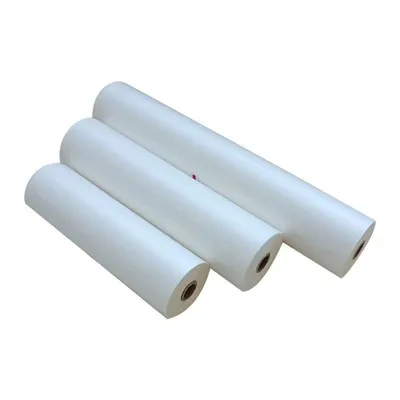
So if you’re tired of pre-cut pouches that cost too much, or cheap film that falls apart, or you just want to try small roll film for your document projects, hit me up. I can help you pick the right thickness, the right size, even send a free sample if you want to test it out first. No sales pitch, no pressure—just someone who’s been doing this since a garage, and wants to help you get the job done right.
References
Embossing Thermal Laminating Film Laminating Film Basics, Specialty Graphic & Imaging Manufacturers Association.
Biaxially Oriented Polypropylene Film Properties, Packaging Digest.
Desktop Laminator Best Practices, Small Business Administration.
Yantai Hongqing Packing Material Co., Ltd.
Yantai Hongqing Packing Material Co., Ltd. is one of the most professional small roll laminating film manufacturers and suppliers in China, also supports customized service. Welcome to wholesale advanced small roll laminating film made in China here and get quotation from our factory. Quality products and reasonable price are available.
Address: Eastern Industrial Park, Taocun, Yantai, Shandong Province, China
E-mail: cindy@ythongguang.cn
WebSite: https://www.hqingnewmat.com/
