What’s the market demand for electrical brass switch socket parts? Let me cut right to the chase here, because if you’re a supplier like me, this is the question you’re hitting up every week—whether you’re fielding a query from a contractor in Ohio or an electrician tossing out a last-minute restock order. I’ve been in this game for 12 years, running a small but tight supplier operation that focuses exclusively on these parts, and the demand’s not just steady—it’s shifting, hard. If you think brass switch sockets are old news, you’re way off. Let’s break this down, real talk, no industry fluff. Electrical Brass Switch Socket Part
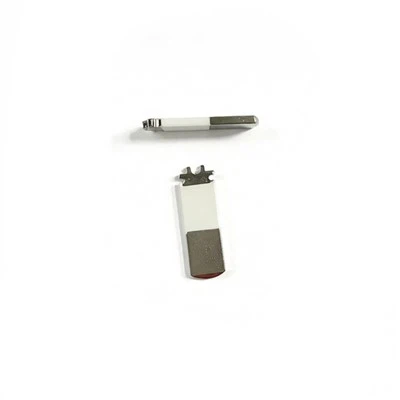
First off, let’s get the basics: what makes brass the go-to here? It’s not just the shiny, classic look—though that’s a big sell for residential stuff. Brass is malleable enough to stamp into tight, precise socket contacts and switch levers (we’re talking tolerances as thin as a credit card’s edge, no joke), but it’s also way more conductive than aluminum, which is a cheap alternative a lot of cut-rate suppliers push. And it resists corrosion—think bathrooms, outdoor porches, even humid coastal areas where other metals would rust out in a year. That longevity means fewer callbacks for contractors, which is why they’ll pay a little extra for brass parts instead of the aluminum garbage that snaps or tarnishes in 18 months. So right off the bat, the material itself is a non-negotiable for most builders, which keeps demand ticking over.
Now, where is this demand actually coming from? I’d split it into three big buckets: residential construction, commercial/industrial projects, and the whole smart home wave that’s been blowing up over the last five years. Let’s start with residential. Post-pandemic, everyone’s either moving, renovating, or building from scratch. The US Census Bureau’s got data that single-family home starts were up 18% in 2023 from 2020— that’s millions of new places needing switch sockets. Even more people are reno-ing: Pew Research said 60% of homeowners did a major upgrade between 2021 and 2024, and almost half of those included electrical updates. I can tell you firsthand—last year, a contractor in Dallas ordered 50,000 brass socket contacts in one go for a whole subdivision of mid-tier homes. They specifically requested brass because the builder’s warranty required parts that wouldn’t corrode in the Texas humidity. That’s not a one-off.
Then there’s commercial and industrial. Offices, hospitals, schools, retail spaces—they don’t cut corners on electrical parts. Hospitals can’t afford a dead outlet in a patient wing, right? Schools need sockets that can handle 10 years of student jostling and plugging/unplugging. I supply parts to a few electrical contractors that do school builds across the Southeast, and they always pick brass over other metals. Commercial construction starts were up 12% in 2023, per Dodge Construction Network, with a lot of that going to office retrofits and new retail hubs. Even warehouses and manufacturing plants use brass parts for heavy-duty switches because they handle more current—aluminum can overheat under consistent use, which is a fire risk. That’s a no-brainer, so brass is non-negotiable there.
Now the big wild card: smart home tech. Everyone’s installing smart switches, smart sockets, the whole Google Home/Amazon Echo ecosystem. And guess what? The internal contacts for those smart devices aren’t plastic—they’re brass. Smart switches need to connect to a Wi-Fi module, and the contact points have to be conductive enough to handle both the electrical current and the signal. A lot of smart device manufacturers come to me specifically looking for brass parts because they need that conductivity to avoid signal drops. The smart home market’s projected to hit $150 billion in the US by 2027, that’s Grand View Research data. A chunk of that is directly tied to the switch and socket parts, so that’s a huge growing segment I wouldn’t sleep on.
But wait, it’s not all roses. There are headwinds that affect demand too. First, raw material costs. Brass is an alloy of copper and zinc, right? Copper prices spiked in 2022 and 2023 because of supply chain issues from mines in Chile and Peru—those two countries make like 40% of the world’s copper. When copper gets pricey, some smaller builders or contractors will try to switch to cheaper materials, like thermoplastics with metal plating. But let’s be real—plated plastic chips, tarnishes, and doesn’t conduct as well. I’ve had a few small clients try that, but they always come back 6 months later begging for brass replacements because they got so many customer complaints. That said, those short-term dips do mean demand isn’t linear. When raw material costs go up, we see a temporary slowdown in small orders, but big commercial and residential projects still stick with brass because the warranty and reliability matter more than a few cents in savings.
Another factor: regulation. A lot of states and cities have updated building codes over the last few years, especially around electrical safety and sustainability. For example, California’s Title 24 energy standards now require new buildings to have higher-efficiency electrical components, and brass parts are more energy-efficient because they have lower resistance—so less power is lost as heat. That’s a big driver in California, where I just landed a regular client that’s building 10 new high-rise apartment buildings, all specifying brass switch sockets to meet code. Even cities in the Northeast are following suit, focusing on long-term durability to reduce waste—brass parts last way longer than cheaper alternatives, so less trash from replaced sockets.
Now, let’s talk about who’s the end user driving this demand, because that’s how I tailor my supply. I don’t sell to homeowners directly—too small, and they’ll just grab whatever at the hardware store. My main clients are electrical contractors, bulk hardware distributors, and smart device manufacturers. Contractors are my bread and butter—they need fast turnaround, consistent quality, and competitive pricing. Last quarter, I invested in a new stamping machine that cuts lead times from 10 days to 3, so I’ve been grabbing more of those repeat contractor orders. Distributors want big, steady orders and consistent inventory, so I keep a 2-month stock of the most common socket sizes on hand, no backorders. And the smart device guys? They need precision parts, because their products are sold with a 5-year warranty, so the contacts can’t have burrs or uneven stamping—brass is perfect for that, as long as you get the right machining, which is what I specialize in.
What about the future? Let’s look ahead 5 years. The International Energy Agency says global demand for electricity is going up 3% a year through 2030, so more buildings, more devices, more electrical infrastructure. That means more switch sockets, which means more brass parts. Even with the push for wireless tech, we’re not ditching wired outlets anytime soon—most smart devices still need a wired connection for power, and even wireless chargers have a contact point for when you dock your phone. Also, there’s a growing trend towards sustainable brass—recycled brass, because mining new copper and zinc has a big carbon footprint. I started using 40% recycled brass in my parts last year, and I’ve had a lot of builders and smart device makers asking for that, because their own sustainability reports require it. That’s a new niche, but it’s growing fast.
Wait, but let’s be honest about the competition. There are a lot of suppliers out there making cheap brass parts in countries with lower labor costs. But the market’s splitting—there’s the low-cost, low-quality side, and the high-quality, reliable side. The contractors and big builders I work with don’t care as much about a $0.002 per part difference if the parts last longer and don’t cause callbacks. For example, last year, a builder in Atlanta switched to a cheaper supplier, and they ended up paying $10,000 in warranty claims because 2% of their sockets failed in the first year. They came back to me, because my parts have a 10-year warranty, no questions asked. That’s the value prop that keeps demand for my brass parts strong, even when there’s cheaper stuff.
If you’re reading this as someone who’s looking at getting into the brass switch socket parts business, or as a buyer trying to figure out what’s driving prices, here’s the takeaway: the market demand is solid, but it’s not just about selling brass parts—it’s about selling reliability, compliance with building codes, and longevity. The dips from raw material costs are temporary, and the growth from smart homes and updated building codes is long-term.
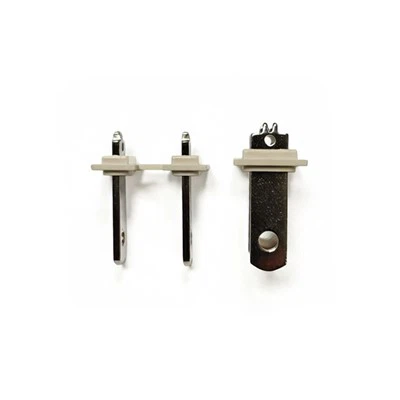
For anyone looking to work with a supplier that knows this space inside and out, no fine print, no hidden fees, just consistent, high-quality brass switch socket parts that get your orders out on time every time, reach out to talk through your needs. We can tailor orders for residential subdivisions, commercial projects, or smart device manufacturing, no order too big or too small. Let’s chat about how to match your part needs to the current market demand, so you don’t have to worry about sourcing garbage parts that cost you more in the long run.
Electrical Brass Switch Socket Part References:
- US Census Bureau. (2023). New Residential Construction Report.
- Dodge Construction Network. (2024). Commercial Construction Outlook.
- Grand View Research. (2024). Smart Home Devices Market Size, Share & Trends Analysis Report, 2025-2030.
- Pew Research Center. (2024). Home Renovation Trends in the U.S.
- International Energy Agency. (2024). Global Electricity Market Report.
- California Energy Commission. (2023). Title 24 Building Energy Efficiency Standards.
Dongguan Fangrun Metal Products Co., Ltd.
We’re well-known as one of the leading electrical brass switch socket part manufacturers in China, specialized in providing high quality customized products. Please feel free to buy discount electrical brass switch socket part made in China here from our factory. For quotation and free sample, contact us now.
Address: New Town Industrial Zone,Xiegang Village,Xie Gang Town,Dongguan City
E-mail: 825556703@qq.com
WebSite: https://www.fangrunpin.com/
