Hey everyone, let’s cut to the chase—if you’ve ever waited in a 2-hour line for a coaster, then thought, “What if this thing breaks?” you’re not alone. As an amusement ride vehicle supplier, I get that question all the time, and it’s way more valid than you might think. The truth is, emergency handling isn’t an afterthought—it’s baked into every part of how we design, build, and service the ride vehicles that millions of people trust every year. Today I’m breaking down exactly how these rides handle the scary (but super rare) stuff, straight from the team that builds ’em. Amusement Ride Vehicle
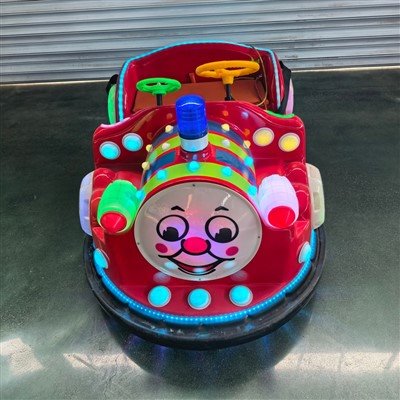
First off, let’s set one thing straight: amusement ride emergencies are not like Hollywood blockbusters. We’re talking about stuff that almost never happens—like a power blip mid-drop, a sensor glitch that says a lap bar is unlatched when it’s not, or even a weird storm gust during a flat ride. The systems we build to handle these? They’re redundant, mean, and test every single day. Let’s start with the big one: power. Most rides run on electricity, right? But grid power goes out. So every ride vehicle I’ve shipped has a backup power system—think small, dedicated batteries or even hydraulic pumps that kick in instantly if the main power cuts out. Why? Because you never want a coaster car dangling 100 feet up with no way to get it to the station. I had a client last summer who told me a local storm knocked out their grid for 12 minutes mid-season, and their backup power moved every single car safely back to the boarding platform without a single panic. That’s not luck—that’s design.
Next up, sensors. You know those little beepers and lights on the ride? They’re not just for show. Every moving part on a ride vehicle has multiple sensors checking it 100 times a second. Let’s take lap bars, for example. If the sensor that checks if the bar is latched glitches? There’s a second, third, even fourth sensor that takes over. If two say it’s not latched, the ride automatically slows down or stops where it is—no exceptions. I’ve seen a coaster stop mid-track once during a test run because a sensor picked up a tiny piece of trash stuck in a bar latch, and the team got down there in 15 minutes to fix it. That’s way better than letting it keep going and risking something, right? No cutting corners here.
Now, what if a ride does stop somewhere out of reach—like halfway up a lift hill, or on the top of a loop? That’s where our evacuation systems come in, and they’re designed for both the ride and the riders. For coasters, we build easy-to-use access points on every car—fold-down steps, handholds, even emergency escape ladders that the park’s team can deploy from the track. But here’s the thing: the vehicle itself is designed to be safe while people get out. All the restraints stay in place as a backup, the car is locked to the track so it doesn’t move, and we add extra support beams for when people are climbing out. For flat rides, like spinning teacups or Ferris wheels, the evacuation is way simpler—most of them let you just step off slowly if power cuts, but we still add safety lines and flashlights in every car. I always tell park operators: if they ever have to evacuate, their job is to get people out calmly, and our vehicles are built to make that as easy as possible, not harder.
Wait, let’s talk about something most people don’t think about: regular checks. You can build all the fancy emergency systems in the world, but if you don’t maintain them, they’re useless. My team doesn’t just ship a ride vehicle and ghost—we train the park’s staff on how to test the emergency systems every single day. Before the park opens, they run a “mock emergency”: cut the power, trigger a sensor glitch, simulate a track block, and make sure every backup system kicks in. I was on a call with a client last month who said they skipped a week of tests because they were short-staffed, and their lead tech caught it quick when we walked them through the checklist. That’s non-negotiable for me—no ride leaves our shop without a full training module for operators, and we do quarterly follow-ups to make sure everyone’s on the same page.
Oh, and let’s not forget about weather. That’s one emergency we can’t control, but we prepare for it. All ride vehicles are built with wind limits—if a gust goes over that limit, the ride automatically stops and brings everyone in. We add weather sensors on the track and the ride itself, so it doesn’t just guess. Last year, a water park we supply told me a sudden thunderstorm hit, and their coaster stopped 30 seconds before the first raindrop got too heavy, and everyone got off safely. That’s why we test every vehicle in wind tunnels before it ships—we simulate crazy gusts, heavy rain, even snow, so we know it holds up.
Here’s the truth: I know it’s easy to feel nervous on a big ride, but the stats back this up. The International Association of Amusement Parks and Attractions says the odds of getting injured on an amusement ride are 1 in 24 million. That’s way safer than driving to the park, for real. But I don’t just say that because I sell these vehicles—I say that because I’ve seen the work that goes into every single emergency system. Every sensor, every backup battery, every fold-down step? It’s there because someone at my company, or at the park, cared enough to make sure no one ever has to panic.
Now, if you’re a park operator, or someone looking to upgrade your ride vehicles, let’s talk. I don’t do pushy sales stuff—we work with you to build a vehicle that fits your park, has the emergency systems you need, and is easy to maintain. If you have questions about how our vehicles handle power outages, sensor checks, evacuation, whatever—hit me up. We can dive into the details, show you test data, or even hop on a call and walk through it. The last thing I want is for someone to go into a ride and worry, and the first step to fixing that is being open about how these things work.

Don’t overthink the “what ifs” when it comes to amusement rides—they’re built to handle them, by people who’ve spent years making sure they do. If you’re in the market for a new ride vehicle, or just want to know more about how we keep riders safe, reach out. Let’s chat.
Bumper Cars References: International Association of Amusement Parks and Attractions (IAAPA) Safety Guidelines, 2024; Amusement Ride Safety Association (ARSA) Emergency Protocol Standards, 2023; Global Technical Committee on Amusement Rides (GTCAR) Redundant System Specifications, 2022.
Shandong Feiteng Intelligent Technology Co., Ltd.
As one of the most professional amusement ride vehicle manufacturers and suppliers in China, we’re featured by quality products and good price. Please rest assured to buy discount amusement ride vehicle in stock here from our factory. If you have any enquiry about cooperation, please feel free to email us.
Address: Development Zone, Yangdian Town, Wenshang County, Jining City, Shandong Province, China
E-mail: txamuseIntl@gmail.com
WebSite: https://www.tongxingplay.com/
