Hey there, fellow marine enthusiasts! I’m a supplier in the marine hardware game, and I get this question a lot: "What is the lifespan of marine hardware?" Well, buckle up, because we’re about to dive deep into this topic. Marine Hardware
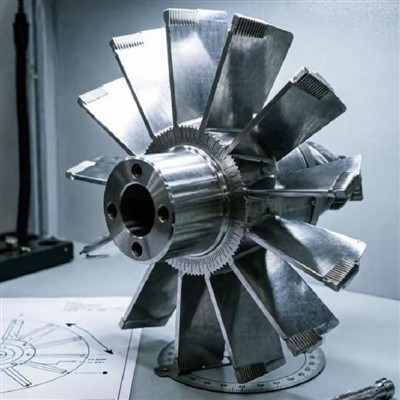
First off, let’s talk about what marine hardware is. It’s all the stuff you find on boats and ships, like hinges, locks, cleats, and winches. These are the nuts and bolts that keep everything together and working right on the water.
Now, the lifespan of marine hardware can vary big time. It depends on a bunch of factors, like the type of material it’s made from, how it’s used, and the environment it’s in.
Material Matters
The material a piece of marine hardware is made from is a huge factor in how long it’ll last. Stainless steel is like the go – to choice for a lot of marine stuff. It’s got great corrosion resistance, which is super important when you’re dealing with saltwater. Saltwater is like the enemy of metal, and it can eat away at a lot of materials pretty quickly. But good – quality stainless steel can last for decades if it’s taken care of right.
For example, I’ve seen some stainless – steel cleats that were still going strong after 20 or 30 years. They’ve been through all kinds of weather, from sunny days to storms, and they’re still holding up. But not all stainless steel is created equal. There are different grades, and the higher – grade ones are better for the marine environment. They’ve got more chromium and nickel in them, which gives them better protection against rust and corrosion.
Brass is another common material. It’s got a nice look to it, and it’s pretty corrosion – resistant too. But it’s a bit softer than stainless steel, so it can get scratched or dented more easily. Depending on how it’s used, brass hardware might last around 10 to 20 years. For instance, brass hinges on a boat cabin might start to show some wear and tear after 15 years of regular use.
Aluminum is also used in marine hardware. It’s lightweight, which is great for boats because it helps with fuel efficiency. But it can be prone to corrosion if it’s not properly protected. If it’s anodized, which is a process that adds a protective layer, it can last a long time. Unprotected aluminum might only last a few years in a harsh marine environment.
How It’s Used
How often and how hard you use your marine hardware also plays a big role in its lifespan. If you’ve got a winch that you use every day to pull up a heavy anchor, it’s going to wear out faster than one that you only use once in a while. The constant stress and friction can take a toll on the gears, bearings, and other parts.
Let’s say you’ve got a pair of shackles. If you use them to secure small, lightweight items every now and then, they’ll last a long time. But if you’re using them to hold down a large, heavy load during rough seas, they might start to show signs of wear much sooner.
Maintenance also affects how long your hardware lasts. Cleaning your marine hardware regularly can go a long way. Saltwater leaves behind a lot of salt deposits, which can cause corrosion. Just rinsing it off with fresh water after each use can make a big difference. Lubricating moving parts, like hinges and winch gears, also helps to reduce friction and prevent wear.
The Environment
The marine environment is tough on hardware. Saltwater is obviously a huge factor, but there’s also the humidity, the UV rays from the sun, and the wind and waves. If you keep your boat in a location with a lot of salt spray and high humidity, the hardware is going to be exposed to more corrosive elements.
For example, boats that are kept in Florida or around other coastal areas with warm, humid weather might experience more corrosion on their hardware compared to boats in cooler, drier areas. The constant exposure to saltwater mist and warm, damp air can speed up the corrosion process.
On the other hand, if you’re sailing in fresh water, the hardware can last longer. Fresh water doesn’t have the high salt content that can cause corrosion, so you don’t have to worry as much about rust. But you still need to take care of it. Things like algae and other freshwater contaminants can still cause problems if you’re not careful.
Some Examples
Let’s take a look at a few common types of marine hardware and their typical lifespans.
- Padlocks: A good – quality stainless – steel padlock can last 10 to 15 years. It’s exposed to the elements, and it’s used to secure things, so it gets a bit of wear and tear. But if you keep it clean and lubricated, it’ll last a long time.
- Hinges: As I mentioned before, brass hinges might last 10 to 20 years, while stainless – steel hinges can last even longer, maybe 20 to 30 years. It depends on how often they’re opened and closed and the amount of weight they’re supporting.
- Cleats: Stainless – steel cleats can have a lifespan of 20 to 30 years. They’re used to tie up ropes, so they get a lot of stress. But if they’re made from high – quality stainless steel and protected from excessive corrosion, they’ll be around for a long time.
Tips for Extending Lifespan
Here are a few tips to help you get the most out of your marine hardware:
- Choose the right material: As we’ve seen, different materials have different lifespans. Think about the conditions your boat is going to be in and choose hardware made from the most suitable material.
- Clean regularly: Rinse your hardware with fresh water after each use to remove salt and other contaminants. Use a mild soap if needed, but make sure it’s safe for the material.
- Lubricate moving parts: This helps to reduce friction and wear. Use a lubricant that’s designed for marine use.
- Inspect often: Check your hardware for signs of wear, corrosion, or damage. If you catch something early, you can fix it before it becomes a bigger problem.
Wrapping It Up
So, as you can see, the lifespan of marine hardware can vary widely depending on a bunch of factors. But with the right material, proper use, and good maintenance, you can keep your marine hardware in good shape for a long time.
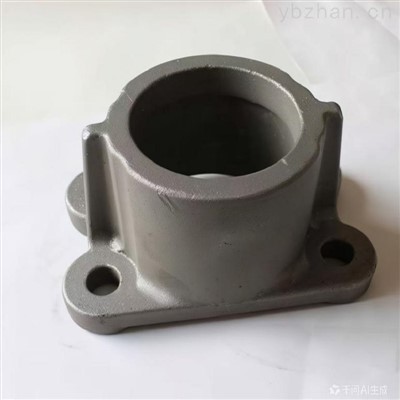
If you’re in the market for some high – quality marine hardware, I’m here to help. Whether you need new cleats, hinges, or any other kind of equipment, I’ve got you covered. I’ve got a wide range of products made from top – notch materials that are built to last in the tough marine environment.
Fan Impeller Don’t hesitate to reach out if you’ve got questions or if you’re ready to start a purchase. I’m always happy to chat and help you find the right hardware for your needs.
References
- "Marine Hardware Handbook" – A comprehensive guide on types and care of marine hardware.
- "Corrosion Resistance in Marine Metals" – Research on how different metals withstand the marine environment.
Shandong Shunye Stainless Steel Co., Ltd.
Address: Shandong Province, Binzhou City, Wudi County, Liubao Town, Zhangdong Road, Duliucun Village
E-mail: sales@wdshunye.com
WebSite: https://www.shunyecasting.com/
