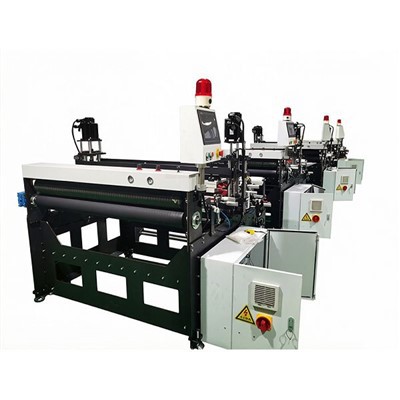
Alright, folks! As a supplier in the hydraulic industry production equipment game, I often get asked about the working temperature requirements for our gear. It’s a crucial topic because the temperature can have a huge impact on how well our equipment performs and how long it lasts. So, let’s dive right in and explore what you need to know about the working temperature of hydraulic production equipment. Hydraulic Industry Production Equipment
Why Temperature Matters
First off, why does temperature matter so much? Well, hydraulic systems rely on fluid to transfer power. This fluid, usually hydraulic oil, has specific properties that change with temperature. When the temperature is too low, the oil becomes thicker. Think of it like honey in the fridge – it’s really sticky and doesn’t flow easily. This thick oil can cause problems like increased pressure in the system, which can put extra stress on components like pumps, valves, and hoses. It might even lead to slow operation or, in extreme cases, damage to the equipment.
On the other hand, when the temperature is too high, the oil gets thinner. This is like honey when it’s been sitting in the sun. The thin oil can’t provide enough lubrication between moving parts, which can lead to increased friction and wear. High temperatures can also cause the oil to break down chemically, forming sludge and varnish. These deposits can clog filters and valves, reducing the efficiency of the system and potentially causing malfunctions.
Ideal Temperature Range
So, what’s the ideal temperature range for hydraulic production equipment? Generally, most hydraulic systems work best when the oil temperature is between 40°C and 60°C (104°F and 140°F). In this range, the oil has the right viscosity – it’s not too thick or too thin – so it can flow smoothly through the system and provide proper lubrication.
But keep in mind, this is just a general guideline. Different types of hydraulic equipment, especially those with specialized functions or operating conditions, might have different optimal temperature ranges. For example, some high – performance hydraulic systems used in heavy – duty machinery might need to operate at slightly higher temperatures to achieve maximum efficiency.
Factors Affecting Working Temperature
There are several factors that can affect the working temperature of hydraulic production equipment. Let’s take a look at some of the main ones.
Ambient Temperature
The temperature of the surrounding environment is a biggie. If you’re operating your equipment in a hot desert or a cold arctic region, it’s going to have an impact on the hydraulic system’s temperature. In hot environments, the equipment is more likely to overheat, while in cold environments, it might struggle to reach the optimal operating temperature.
Load and Usage
How hard you’re working the equipment also matters. If you’re running the hydraulic system at full capacity for long periods of time, it’s going to generate more heat. For example, if you’re using a hydraulic press to stamp out metal parts non – stop, the system is going to heat up faster than if it’s used intermittently.
System Design
The design of the hydraulic system itself can affect the temperature. A well – designed system will have proper cooling and heat dissipation mechanisms. For instance, some systems come with built – in oil coolers that help maintain the oil temperature within the optimal range. On the other hand, a poorly designed system might have restricted oil flow or insufficient cooling, which can lead to overheating.
Controlling the Working Temperature
Now that we know why temperature matters and what affects it, let’s talk about how we can control the working temperature of hydraulic production equipment.
Cooling Systems
One of the most common ways to control temperature is by using cooling systems. There are different types of coolers, such as air – cooled and water – cooled. Air – cooled coolers use fans to blow air over the oil cooler, dissipating heat into the surrounding air. Water – cooled coolers, as the name suggests, use water to absorb heat from the oil. These are often more efficient but require a water source.
Insulation
In cold environments, insulation can be used to keep the hydraulic fluid warm. Insulating the hydraulic hoses and reservoirs can help reduce the heat loss to the environment, allowing the system to reach and maintain the optimal operating temperature more easily.
Regular Maintenance
Regular maintenance is crucial for temperature control. This includes checking and changing the hydraulic oil at the recommended intervals. Old or contaminated oil can’t dissipate heat as effectively and can cause the system to overheat. Also, keeping the filters clean ensures proper oil flow, which helps in heat transfer.
Monitoring the Temperature
It’s not enough to just control the temperature; you also need to monitor it. Most modern hydraulic production equipment comes with temperature sensors. These sensors can provide real – time information about the oil temperature, allowing you to take action if the temperature goes out of the optimal range.
There are also remote monitoring systems available that allow you to keep an eye on the equipment’s temperature from a distance. This is especially useful if you have multiple pieces of equipment in different locations.
Impact of Non – compliant Temperature on Equipment Lifespan
Running your hydraulic production equipment at temperatures outside the recommended range can significantly shorten its lifespan. As I mentioned earlier, high temperatures can cause the oil to break down, leading to increased wear and tear on components. It can also cause seals to degrade faster, resulting in leaks.
Low temperatures, on the other hand, can cause components to become brittle and more prone to cracking. The increased pressure due to thick oil can also damage pumps and valves over time.
Conclusion
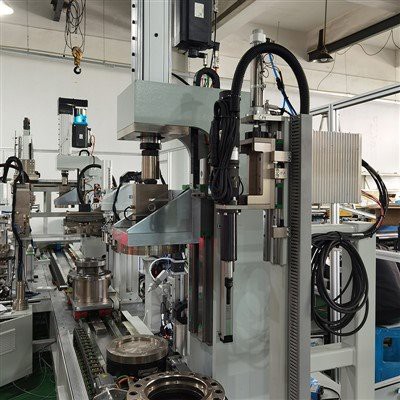
In conclusion, the working temperature of hydraulic production equipment is a critical factor that can’t be ignored. By understanding the ideal temperature range, the factors that affect it, and how to control and monitor it, you can ensure that your equipment operates efficiently and has a long lifespan.
Automotive Industry Production Equipment If you’re in the market for high – quality hydraulic production equipment or need advice on temperature control for your existing setup, I’m here to help. Whether you’re dealing with extreme temperatures or just want to optimize your system’s performance, I’ve got the expertise and the right products for you. Reach out to me, and let’s have a chat about how we can meet your hydraulic equipment needs.
References
- "Hydraulic Systems: Principles and Maintenance" by John F. Caruthers
- "Fluid Power Technology" by David Crolla
Shanghai Zenyan Automation Engineering Co., Ltd.
As one of the leading hydraulic industry production equipment manufacturers in China, we warmly welcome you to buy advanced hydraulic industry production equipment made in China here from our factory. All customized machines are with high quality and low price. Contact us for quotation.
Address: 3rd Floor, Building A, No.5629 Beisong Road, Chedun Town, Songjiang District, Shanghai, China
E-mail: zenyan_sh@163.com
WebSite: https://www.zenyanauto.com/
