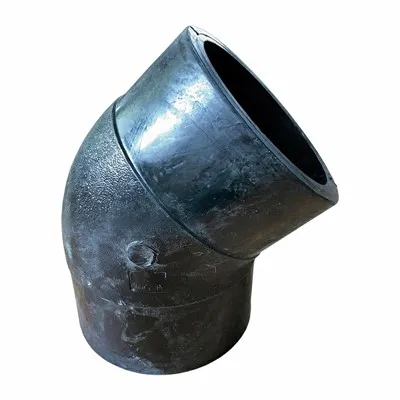
PERT (Polyethylene of Raised Temperature resistance) fittings are a crucial component in modern plumbing systems, especially those designed to handle hot and cold water. As a PERT fittings supplier, I’ve witnessed firsthand the importance of how these fittings handle temperature changes. In this blog, I’ll delve into the science behind PERT fittings’ performance in varying temperatures, their advantages, and considerations for different applications. PERT Fittings
Understanding PERT Material
PERT is a type of polyethylene that has been specially engineered to withstand higher temperatures compared to standard polyethylene. It is produced through a process that modifies the molecular structure of polyethylene, resulting in a material with enhanced thermal resistance and mechanical properties. The unique molecular structure of PERT allows it to maintain its flexibility and strength even at elevated temperatures, making it an ideal choice for plumbing systems that carry hot water.
One of the key features of PERT is its ability to expand and contract with temperature changes. This property is essential for preventing pipe damage due to thermal stress. When water heats up, it expands, and if the pipes cannot accommodate this expansion, they may burst or develop leaks. PERT fittings are designed to flex and adjust to these changes, ensuring a secure and leak – free connection.
How PERT Fittings Respond to Temperature Increases
When exposed to high temperatures, PERT fittings exhibit several important behaviors. First, their molecular chains become more mobile, which allows the material to expand. This expansion is proportional to the increase in temperature and is known as thermal expansion. The coefficient of thermal expansion for PERT is relatively low compared to some other materials, which means that it expands less for a given temperature increase. This is beneficial as it reduces the stress on the pipes and fittings, minimizing the risk of damage.
As the temperature rises, PERT fittings also maintain their chemical stability. They do not degrade or release harmful substances, even when in contact with hot water for extended periods. This is crucial for ensuring the safety and quality of the water supply. Additionally, PERT’s resistance to oxidation and chemical corrosion makes it suitable for use in a variety of environments, including those with high – mineral content water.
Another advantage of PERT fittings at high temperatures is their ability to maintain their sealing properties. The flexibility of PERT allows the fittings to form a tight seal with the pipes, even as the materials expand. This helps to prevent leaks and ensures the efficient operation of the plumbing system. Whether it’s a domestic hot water system or an industrial application, PERT fittings can handle the heat without compromising performance.
Handling Temperature Decreases
Just as PERT fittings respond well to high temperatures, they also perform admirably in cold conditions. When the temperature drops, PERT contracts, but it does so in a controlled manner. The material remains flexible, which is important for preventing brittleness and cracking. Unlike some other plastics that become rigid and prone to breakage in cold weather, PERT retains its ability to bend and absorb shock.
In freezing temperatures, PERT fittings can withstand the pressure exerted by frozen water. The flexibility of the material allows it to expand slightly to accommodate the expansion of ice, reducing the risk of pipe bursting. This is a significant advantage in regions with cold climates, where traditional plumbing materials may fail under freezing conditions.
Moreover, PERT’s low thermal conductivity means that it helps to insulate the water inside the pipes. This can reduce heat loss in cold weather, making the plumbing system more energy – efficient. It also helps to prevent the water from freezing as quickly, providing an additional layer of protection against freezing damage.
Advantages of PERT Fittings in Temperature – Sensitive Applications
There are numerous advantages to using PERT fittings in temperature – sensitive applications. In residential plumbing, PERT fittings are commonly used for hot and cold water distribution systems. Their ability to handle temperature changes ensures a reliable and long – lasting installation. Homeowners can enjoy a consistent supply of hot water without worrying about leaks or pipe failures due to thermal stress.
In commercial and industrial settings, PERT fittings are also highly valued. They are used in heating systems, such as under – floor heating, where they need to withstand high temperatures for extended periods. The flexibility and durability of PERT fittings make them suitable for complex piping layouts, and their resistance to corrosion and chemical damage ensures a low – maintenance solution.
In addition, PERT fittings are easy to install. Their lightweight nature and flexibility make them easier to handle compared to traditional metal fittings. This can reduce installation time and labor costs, making them an attractive option for both contractors and end – users.
Considerations for Different Applications
While PERT fittings are versatile and can handle a wide range of temperatures, there are some considerations for different applications. For example, in extremely high – temperature applications, such as industrial processes that involve very hot water or steam, it’s important to ensure that the PERT fittings are rated for the specific temperature range. Some PERT fittings may have a maximum temperature limit, and exceeding this limit can lead to reduced performance or even failure.
In applications where there are rapid temperature changes, such as in some industrial cooling systems, the rate of expansion and contraction of PERT fittings needs to be taken into account. Although PERT can handle temperature changes well, sudden and extreme fluctuations may require additional support or protection to prevent stress on the fittings.
It’s also important to consider the quality of the PERT fittings. As a supplier, I always emphasize the importance of using high – quality PERT products. Inferior fittings may not have the same level of thermal resistance or mechanical strength, which can lead to premature failure and costly repairs.
Conclusion
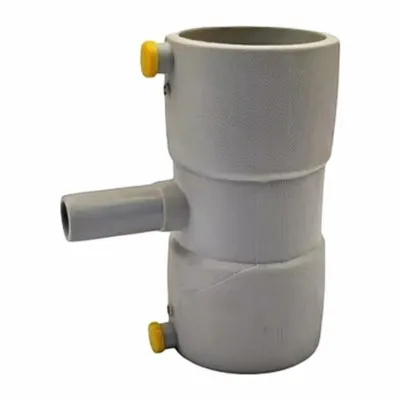
In conclusion, PERT fittings are an excellent choice for plumbing systems that need to handle temperature changes. Their unique properties, such as thermal expansion and contraction, chemical stability, and flexibility, make them suitable for a wide range of applications. Whether it’s a residential hot water system or an industrial heating process, PERT fittings can provide a reliable and efficient solution.
ASTM IPS Inch Butt Fusion Fittings If you’re in the market for PERT fittings, I encourage you to reach out to discuss your specific requirements. As a supplier, I have the expertise and experience to help you select the right fittings for your project. We can work together to ensure that your plumbing system is designed to handle temperature changes effectively and provide long – term performance.
References
- ASTM International. (20XX). Standard Specification for Polyethylene of Raised Temperature (PERT) Tubing.
- Plastic Pipe Institute. (20XX). Technical Guide for PERT Pipe and Fittings.
- Industry research reports on PERT materials and their applications in plumbing systems.
Qingdao Polyfusion Machinery Co., Ltd.
As one of the most professional PERT fittings manufacturers and suppliers in China, we have world-leading production equipment and strong manufacturing capabilities. Please feel free to buy bulk high quality PERT fittings from our factory.
Address: Chengyang Industry Zone, Chengyang, Qingdao, Shandong, China
E-mail: export01@qdpolyfusion.com
WebSite: https://www.polyfusionfittings.com/
