As a provider of Commercial and Industrial (C&I) Energy Storage Systems, I’ve witnessed firsthand the increasing demand for these systems in the market. With the growing emphasis on energy efficiency, grid stability, and the integration of renewable energy sources, C&I energy storage systems have become a crucial component for many businesses. However, installing these systems isn’t as simple as just purchasing and setting them up. There are a multitude of regulatory requirements that need to be met, and understanding these is essential for a successful installation. Commercial and Industrial Energy Storage System
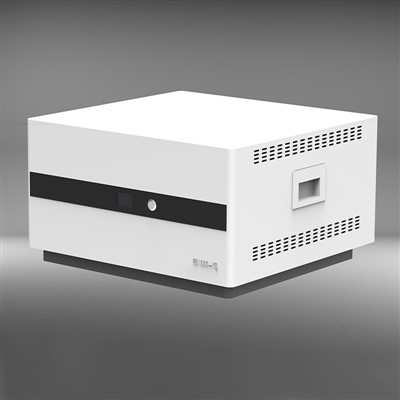
Understanding the Basics of C&I Energy Storage Systems
Before delving into the regulatory requirements, it’s important to understand what C&I energy storage systems are. These systems are designed to store electrical energy for later use in commercial and industrial settings. They can store energy from various sources, such as the grid, solar panels, or wind turbines. The stored energy can then be used during peak demand periods, reducing the reliance on the grid and potentially saving businesses a significant amount of money on their energy bills.
Local Zoning and Permitting Regulations
One of the first regulatory hurdles to overcome when installing a C&I energy storage system is local zoning and permitting. Different municipalities have different rules regarding where and how energy storage systems can be installed. For example, some areas may have restrictions on the size of the system, the distance from property lines, or the type of building where the system can be installed.
It’s crucial to work closely with local planning and zoning departments to ensure that your proposed installation complies with all local regulations. This may involve submitting detailed plans and specifications for the system, as well as obtaining the necessary permits. Failure to obtain the proper permits can result in fines, delays, or even the removal of the system.
Electrical and Safety Codes
Another important aspect of regulatory compliance is adherence to electrical and safety codes. C&I energy storage systems involve high-voltage electrical components, and it’s essential to ensure that the installation meets all relevant safety standards. This includes following the National Electrical Code (NEC) in the United States, which provides guidelines for the safe installation of electrical systems.
In addition to the NEC, there may be other local or state-specific electrical codes that need to be followed. These codes cover a wide range of topics, including wiring, grounding, overcurrent protection, and fire safety. Working with a qualified electrical contractor who is familiar with these codes is essential to ensure a safe and compliant installation.
Environmental Regulations
C&I energy storage systems can have an impact on the environment, particularly if they use certain types of batteries or other energy storage technologies. For example, some batteries contain hazardous materials that need to be properly managed to prevent environmental contamination.
There are various environmental regulations that govern the installation, operation, and disposal of C&I energy storage systems. These regulations may include requirements for battery recycling, proper waste management, and environmental impact assessments. It’s important to stay up-to-date on these regulations and ensure that your installation complies with all applicable environmental laws.
Interconnection Requirements
If your C&I energy storage system is connected to the grid, you’ll need to comply with interconnection requirements. These requirements are designed to ensure that the system can safely and effectively interact with the grid without causing any disruptions.
Interconnection requirements typically involve working with the local utility company to obtain approval for the connection. This may involve submitting technical specifications for the system, conducting tests to ensure compatibility with the grid, and paying any necessary fees. The utility company will also typically require ongoing monitoring and maintenance of the system to ensure continued compliance.
Insurance and Liability Considerations
Installing a C&I energy storage system also involves insurance and liability considerations. It’s important to have adequate insurance coverage to protect against potential risks, such as fires, explosions, or electrical failures. This may include property insurance, liability insurance, and business interruption insurance.
In addition to insurance, it’s important to understand your liability in the event of an accident or failure of the energy storage system. This may involve working with legal counsel to ensure that you have proper contracts and agreements in place with all parties involved in the installation and operation of the system.
Regulatory Incentives and Programs
While there are many regulatory requirements to consider when installing a C&I energy storage system, there are also a number of regulatory incentives and programs available that can help offset the cost of installation and make the system more financially viable. These incentives may include tax credits, grants, rebates, and low-interest loans.
It’s important to research and take advantage of these incentives and programs to maximize the benefits of your C&I energy storage system. Working with a knowledgeable energy consultant or installer can help you identify and apply for these incentives.
Conclusion
Installing a Commercial and Industrial Energy Storage System is a complex process that requires careful consideration of a variety of regulatory requirements. From local zoning and permitting to electrical and safety codes, environmental regulations, interconnection requirements, and insurance and liability considerations, there are many factors to take into account.
Power Lithium Battery As a provider of C&I energy storage systems, we have the expertise and experience to help you navigate these regulatory requirements and ensure a successful installation. If you’re interested in learning more about our products and services, or if you have any questions about the regulatory requirements for installing a C&I energy storage system, please don’t hesitate to contact us. We’re here to help you make the most of your energy storage investment.
References
- National Fire Protection Association. (2023). National Electrical Code (NEC).
- U.S. Department of Energy. (2023). Energy Storage Technologies and Projects.
- Local zoning and permitting departments in various municipalities.
Shandong Yaoqian Energy Storage International Trade Co., Ltd.
We’re well-known as one of the leading commercial and industrial energy storage system manufacturers and suppliers in China, featured by quality products and good price. Please rest assured to buy customized commercial and industrial energy storage system made in China here from our factory.
Address: Lithium Battery Industrial Park, Xingcheng Street, Zaozhuang High-tech Zone, Shandong Province, China
E-mail: boss@yaoqiansmart.com
WebSite: https://www.yaoqiansmart.com/
