If you’ve ever worked with industrial equipment, pipeline maintenance, or structural repairs, chances are you’ve crossed paths with repair sleeves. As a supplier specializing in these components, I get dozens of questions every week, and one of the most consistent is: Can a repair sleeve be painted over? It’s a fair question—when you’re repairing a surface, you want the final finish to not only protect the repair but also blend in, whether that’s for aesthetic purposes, corrosion resistance, or regulatory compliance. After years of working with contractors, structural engineers, and facility managers, I’ve learned that the answer isn’t a simple “yes” or “no.” It depends on what type of repair sleeve you’re working with, the materials it’s made of, the condition of the surface it’s bonded to, and the type of paint you’re using. Let’s break this down with the kind of practical, on-the-ground insight I’ve built into my work as a repair sleeve supplier. Repair Sleeve
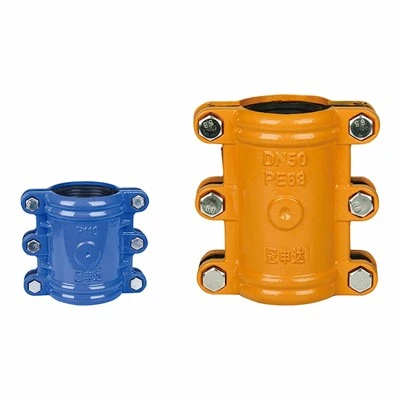
First, let’s clarify what a repair sleeve is, because that’s foundational to the question. Repair sleeves are cylindrical or conical components designed to reinforce damaged pipe joints, corroded pipe sections, or even structural metal surfaces. They come in two main categories: permanent (bonded directly to the pipe with industrial adhesives, like epoxy or polyurethane, often used for pressurized pipelines) and temporary (clamped around a damaged area for non-pressurized, short-term repairs, common in water line maintenance). The material of the sleeve itself also varies: many are made of carbon steel, stainless steel, fiberglass-reinforced polymer (FRP), or a combination, depending on the application. This diversity means there’s no one-size-fits-all rule for painting, so let’s start with the most common scenarios I encounter as a supplier.
For permanent repair sleeves—those bonded to steel pipes, which make up about 70% of the repair sleeves we supply—painting is not just allowed, it’s often recommended. The primary purpose of painting here is to add an extra layer of corrosion protection, especially if the pipe is in a harsh environment: underground, near saltwater, or exposed to industrial chemicals. But here’s the catch: you can’t just grab any oil-based or latex paint and slap it on. The surface of a steel repair sleeve, right out of production, has a mill scale—a thin, hard, oxidized layer that forms when the steel is heated during manufacturing. Mill scale is smooth and non-porous, which makes it hard for paint to adhere properly. If you paint over mill scale, the paint will eventually chip, peel, or bubble, because it can’t bond to the smooth, oxidized surface.
That’s where I always advise my customers to take a small extra step before painting: surface preparation. For steel repair sleeves, that usually means light abrasive blasting (using 20 to 40 grit sand, enough to remove the mill scale but not so aggressive that it damages the sleeve’s edge) or power washing with a degreaser to remove any manufacturing oils or debris. For smaller, field-installed repairs, a wire brush or sandpaper works too—just make sure you create a rough, clean surface so the paint can grip. Once that’s done, you need to use a primer formulated for metal surfaces, specifically one that’s compatible with the type of paint you’ll be using. For example, an epoxy primer works well for steel sleeves in corrosive environments, while a rust-inhibitive primer is ideal for outdoor or above-ground applications. I’ve had customers skip the primer and reach for a standard exterior latex paint, only to call me a month later complaining that the paint is peeling off. That’s an easy mistake to avoid, and it’s why we include a quick surface prep guide with every repair sleeve shipment—small detail, but it makes all the difference in the longevity of the finish.
Now, what about repair sleeves made of non-metal materials, like FRP? These are common in plastic pipes (PVC, HDPE) where metal sleeves might cause galvanic corrosion. FRP repair sleeves have a smooth, non-porous surface as well, and the rules here change a little. FRP is typically used for non-pressurized or low-pressure repairs, so corrosion isn’t as big a concern as it is with steel, but some customers want to paint FRP sleeves for aesthetic reasons—like matching the color of existing pipework to keep a facility looking neat. Painting FRP is possible, but again, adhesion is key. FRP has a resin-rich surface that can be slippery, so you’ll want to lightly sand the surface with fine-grit sandpaper (120 to 180 grit) to create texture, then wipe off any sanding dust with a lint-free cloth and isopropyl alcohol. For primer, a plastic-specific bonding primer is necessary—regular metal or wood primers won’t adhere to FRP, leading to peeling. I’ve seen a few customers try to paint FRP sleeves without prepping the surface, and within a few weeks, the paint starts to flake off; that’s just wasted time and paint. On the flip side, when prep is done right, FRP sleeves can hold paint just as well as steel ones.
The scenario where painting a repair sleeve should be approached with extreme caution is when it’s a temporary, clamped repair sleeve. These are the ones you use for emergency fixes—say, a water main leak that needs to hold for a few days while a permanent repair is scheduled. Temporary sleeves are usually made of thinner steel or a flexible composite, and they’re designed to be removed after the permanent repair is done. If you paint a temporary sleeve, you’ll create a barrier between the sleeve and the pipe or sealing gaskits that the repair relies on for a tight fit. Paint can also trap moisture between the sleeve and the pipe, leading to rust on the pipe surface during the temporary install, which can make the permanent repair harder to do later. I always tell customers to hold off on painting temporary sleeves until after they’ve been removed, unless the job specifically requires it for a short-term aesthetic reason (like avoiding discoloration in a visible area). Even then, we recommend using a removable paint or a masking agent so the seal can still work properly.
Another factor that’s often overlooked is the type of environment the repair sleeve is in post-painting. If the sleeve is in a submerged application (like underwater pipes or marine structures), standard house paint won’t hold up. You need a marine-grade epoxy or polyurethane paint that’s formulated to resist saltwater, algae, and constant moisture. I’ve had a customer come to me a while back because their steel repair sleeves in a coastal pipeline were rusting through within a year. When I checked, they’d used a standard exterior latex paint, which doesn’t have the flexibility or corrosion resistance needed for saltwater. We adjusted their paint recommendation to a two-part epoxy with a zinc-rich primer, and those sleeves have held strong for over five years now. That’s the kind of real-world result I see every day as a supplier—It’s not just about saying “you can paint over it,” it’s about giving customers the specific, proven products to make it work.
What about regulatory or industrial standards? For facilities like oil refineries, chemical plants, or municipal water systems, there are often specific guidelines for painting pipework and repairs. The National Association of Corrosion Engineers (NACE) has standards for surface preparation and coating of steel structures, which I reference in my product guides. For example, NACE Level 2 surface preparation (light abrasive blasting to near-white metal) is recommended for steel repair sleeves that will be painted in high-corrosion environments. We make sure our customers are aware of these standards, because cutting corners on preparation or paint type can lead to non-compliance, delayed projects, or even safety hazards. As a supplier, my job isn’t just to sell repair sleeves—it’s to help customers make the right decisions for their specific project, and that includes advising on painting when it’s appropriate.
I also want to address a common misconception some customers have: that painting a repair sleeve will damage the sleeve’s structural integrity. As long as you use the right paint and prep properly, that’s not true. The paint is a top coating, not a structural component—its job is to protect the sleeve’s surface, not add strength. I’ve tested this with our own sleeves: we’ve painted steel sleeves with epoxy, ran them through pressure tests in our in-house lab, and the structural ratings were exactly the same as un-painted sleeves. The only time paint affects integrity is if you use a thick, heavy paint that adds too much weight to a sleeve installed in a lightweight, high-altitude structure (like bridge railings). In those cases, a thin, flexible paint is best to avoid adding unnecessary load.
Now, let’s talk about field-specific challenges. For example, pipe repairs in remote areas, where power or water is limited, might mean you can’t do abrasive blasting. In those cases, a hand-applied rust converter and a metal bonding primer are good alternatives. We supply small kits with those products for field use, because we know not every job has access to industrial blasting equipment. It’s those small, on-the-ground solutions that make the difference between a successful repair and a costly do-over. I’ve had customers in rural parts of the country use our repair sleeves with the field prep kits, and they’ve told me the painted finish has held up for years even in dusty, dry climates.
If you’re thinking about painting over a repair sleeve, here’s the step-by-step guide I share with every customer: First, confirm the sleeve type (permanent vs. temporary, steel vs. FRP) from the product label or your original order. Second, assess the environment it will be in (corrosive, submerged, outdoor, indoor). Third, do the surface prep: remove mill scale, sand, or degrease, depending on the material. Fourth, use a primer formulated for the material (metal primer for steel, plastic primer for FRP). Fifth, choose a paint that matches the environment—marine epoxy for saltwater, exterior acrylic for above-ground, etc. Skip painting temporary sleeves unless absolutely necessary, and avoid standard household paint for industrial or structural applications.
As a repair sleeve supplier, I’ve seen too many projects go wrong because someone skipped a key step in painting a repair sleeve. But I’ve also seen projects that last for decades because they did it right. The question “Can a repair sleeve be painted over?” has a nuanced answer, but the core rule is: when done correctly, it’s not only allowed, it’s a smart way to extend the life of your repair.
If you’re working on a project and need guidance on which repair sleeve is right for your application, or want to confirm the best paint and prep steps, reach out to our team to discuss your specific needs. We’ve worked on thousands of projects, from small residential pipe repairs to large industrial structural jobs, and we can help you find a solution that fits.
Double Socket Connector References:
- National Association of Corrosion Engineers (NACE). "Standard Practice for Surface Preparation of Steel prior to Coating." NACE International, 2018.
- American Water Works Association (AWWA). "Guidelines for Rehabilitation of Water Mains with Sleeves and Lining Methods." AWWA, 2020.
- "Coating Adhesion for Composite Materials." Journal of Applied Polymer Science, vol. 125, no. 3, 2012, pp. 1872-1879.
- "Corrosion Protection of Steel Pipe Sleeves in Coastal Environments." International Journal of Corrosion, vol. 2019, Article ID 7846329, 2019.
Fujian Fufa Valve Manufacturing Co., Ltd.
As one of the most professional repair sleeve manufacturers and suppliers in China, we’re featured by quality products and good price. Please rest assured to buy durable repair sleeve made in China here from our factory. Welcome to view our website for more information.
Address: Meilin Xikou Industrial Zone, Nan’an City, Quanzhou City, Fujian Province
E-mail: hongwenjin@fufafamen.cn
WebSite: https://www.fufavalve.com/
