As a supplier of automatic seat belts, I am often asked whether our products comply with international safety regulations. This is a crucial question, not only for the safety of vehicle occupants but also for the legal and commercial viability of our products in the global market. In this blog post, I will delve into the details of international safety regulations regarding seat belts, explain how our automatic seat belts meet these standards, and discuss the importance of compliance in the automotive industry. Automatic Seat Belts

Understanding International Safety Regulations
International safety regulations for seat belts are designed to ensure a minimum level of safety for vehicle occupants in the event of a collision. These regulations are developed by various international and national organizations, including the United Nations Economic Commission for Europe (UNECE), the National Highway Traffic Safety Administration (NHTSA) in the United States, and similar bodies in other countries.
One of the most widely recognized international standards for seat belts is UNECE Regulation No. 16. This regulation sets out the requirements for the design, construction, and performance of seat belts and restraint systems in motor vehicles. It covers aspects such as strength, durability, and the ability to restrain occupants during a crash. For example, the regulation specifies minimum requirements for the breaking strength of seat belt components, ensuring that they can withstand the forces generated in a collision without failing.
In addition to UNECE regulations, many countries have their own national standards that may be more stringent or have additional requirements. For instance, the NHTSA in the United States has its own set of Federal Motor Vehicle Safety Standards (FMVSS) that govern seat belt performance. These standards often involve rigorous testing procedures, including dynamic crash tests, to evaluate the effectiveness of seat belts in protecting occupants.
How Our Automatic Seat Belts Comply
Our automatic seat belts are designed and manufactured with strict compliance to international safety regulations in mind. From the initial design phase to the final production, every step is carefully monitored to ensure that our products meet or exceed the relevant standards.
Material Selection: We use high – quality materials that are specifically chosen for their strength and durability. The webbing, which is the strap that restrains the occupant, is made from a special type of nylon that has been tested to meet the minimum breaking strength requirements of UNECE Regulation No. 16 and similar standards. The buckles and other hardware are also made from strong materials, such as high – grade steel, to ensure reliable operation and resistance to corrosion.
Design and Engineering: Our design team uses advanced computer – aided design (CAD) and simulation tools to optimize the performance of our automatic seat belts. These tools allow us to simulate various crash scenarios and make adjustments to the design to improve the restraint system’s effectiveness. For example, we can optimize the shape and tensioning of the seat belt to reduce the risk of injury to the occupant’s chest, abdomen, and neck during a collision.
Testing and Certification: Before our automatic seat belts are released to the market, they undergo extensive testing in our state – of – the – art testing facilities. We conduct a variety of tests, including static strength tests, dynamic crash tests, and endurance tests. Our products are also independently tested by recognized third – party testing laboratories to obtain the necessary certifications. These certifications, such as ECE R16 certification in Europe and FMVSS 209 certification in the United States, serve as proof that our automatic seat belts comply with international safety regulations.
The Importance of Compliance
Compliance with international safety regulations is of utmost importance in the automotive industry for several reasons.
Safety First: The primary goal of these regulations is to protect the lives and well – being of vehicle occupants. By ensuring that our automatic seat belts comply with the highest safety standards, we are contributing to the overall safety of the motoring public. A seat belt that fails to meet the required standards may not provide adequate protection in a crash, leading to serious injuries or even death.
Legal Compliance: Non – compliance with safety regulations can result in significant legal consequences for our company. In many countries, it is illegal to sell or install seat belts that do not meet the relevant safety standards. This can lead to fines, product recalls, and damage to our reputation. By complying with the regulations, we can avoid these legal risks and ensure the long – term viability of our business.
Market Access: In today’s global automotive market, compliance with international safety regulations is often a prerequisite for market access. Automobile manufacturers and distributors are reluctant to partner with suppliers whose products do not meet the required standards. By having our automatic seat belts certified to international standards, we can expand our market reach and build strong partnerships with leading automotive companies around the world.
Looking to the Future
As the automotive industry continues to evolve, so do the safety regulations. New technologies, such as autonomous vehicles and advanced driver assistance systems, are changing the way we think about vehicle safety. These developments are likely to lead to the introduction of new or updated safety regulations for seat belts and restraint systems.
At our company, we are committed to staying ahead of these regulatory changes. We invest heavily in research and development to continuously improve the performance and safety of our automatic seat belts. Our team of engineers and researchers closely monitors the latest trends and developments in vehicle safety and works to incorporate new technologies and design concepts into our products.
Conclusion
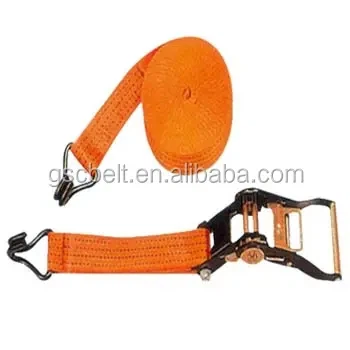
In conclusion, our automatic seat belts fully comply with international safety regulations. Through careful material selection, advanced design and engineering, and rigorous testing and certification, we ensure that our products provide the highest level of safety for vehicle occupants. Compliance with these regulations is not only a legal requirement but also a moral obligation to protect the lives of those who use our products.
Lashings Auto If you are an automobile manufacturer, distributor, or anyone interested in purchasing high – quality automatic seat belts that meet international safety standards, we invite you to contact us for further discussion and potential collaboration. We are ready to provide you with detailed product information, samples, and all the support you need to make an informed purchasing decision.
References
- United Nations Economic Commission for Europe (UNECE). Regulation No. 16 – Safety – belts and restraint systems, anchorages, onto and iso – fix child restraint anchorages for power – driven vehicles and their trailers.
- National Highway Traffic Safety Administration (NHTSA). Federal Motor Vehicle Safety Standard No. 209 – Seat Belt Assemblies.
Good Success Corp.
Good Success Corp. is one of the leading automatic seat belts manufacturers and suppliers in China. We warmly welcome you to buy cheap automatic seat belts for sale here from our factory. All customized products are with high quality and competitive price. Contact us for more details.
Address: NO.54, CHANG MA ROAD, CHANG HUA 500051, TAIWAN, R.O.C.
E-mail: sales@gscbelt.com
WebSite: https://www.gscseatbelt.com/
