Flock fabric, with its unique texture and aesthetic appeal, has become a popular choice for a wide range of projects, from interior design to fashion and crafts. As a seasoned flock fabric supplier, I’ve had the privilege of working with countless clients, each with their own unique vision and requirements. In this blog post, I’ll share some insights and tips on how to choose the right flock fabric for your project, drawing on my years of experience in the industry. Flock Fabric
Understanding Flock Fabric
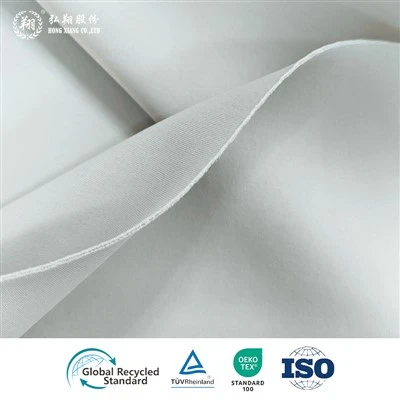
Before diving into the selection process, it’s important to have a basic understanding of what flock fabric is. Flock fabric is created by applying short fibers, known as flock, to a base fabric using an adhesive. The flock can be made from a variety of materials, including cotton, nylon, polyester, and rayon, each offering different characteristics and benefits.
The process of flocking can be done in several ways, including electrostatic flocking, which uses an electric charge to ensure the flock fibers stand upright, creating a plush and velvety texture. The result is a fabric that is soft to the touch, has a rich color, and a unique appearance that can add depth and dimension to any project.
Consider Your Project Requirements
The first step in choosing the right flock fabric for your project is to consider the specific requirements of your project. Here are some key factors to keep in mind:
Purpose of the Project
The purpose of your project will largely determine the type of flock fabric you need. For example, if you’re creating a piece of clothing, you’ll want to choose a fabric that is soft, breathable, and comfortable to wear. On the other hand, if you’re using the fabric for upholstery or home decor, you’ll need a fabric that is durable, stain-resistant, and easy to clean.
Design and Aesthetic
The design and aesthetic of your project will also play a role in your fabric selection. Consider the color, pattern, and texture of the flock fabric and how it will complement the overall look and feel of your project. Flock fabrics come in a wide range of colors, from bold and vibrant to subtle and muted, as well as various patterns and textures, such as solid, striped, or printed.
Durability and Quality
The durability and quality of the flock fabric are important factors to consider, especially if your project will be subject to wear and tear. Look for a fabric that is made from high-quality materials and has a strong adhesive bond to ensure the flock fibers stay in place over time. Additionally, consider the fabric’s resistance to fading, abrasion, and staining.
Budget
Your budget will also influence your fabric selection. Flock fabrics can vary in price depending on the type of fiber, the quality of the fabric, and the manufacturing process. It’s important to set a budget for your project and look for fabrics that fit within your price range while still meeting your quality and design requirements.
Types of Flock Fabric
There are several types of flock fabric available on the market, each with its own unique characteristics and applications. Here are some of the most common types:
Cotton Flock Fabric
Cotton flock fabric is a popular choice for clothing and upholstery projects due to its softness, breathability, and absorbency. It has a natural look and feel and is available in a wide range of colors and patterns. Cotton flock fabric is also relatively easy to care for and can be machine washed and dried.
Nylon Flock Fabric
Nylon flock fabric is known for its durability, strength, and resistance to abrasion. It is often used in applications where the fabric will be subjected to heavy wear and tear, such as automotive interiors, outdoor furniture, and industrial applications. Nylon flock fabric can also be treated to be water-resistant and stain-resistant.
Polyester Flock Fabric
Polyester flock fabric is a versatile and affordable option that is often used in a variety of applications, including home decor, fashion, and crafts. It is lightweight, easy to care for, and resistant to fading and shrinking. Polyester flock fabric is also available in a wide range of colors and patterns.
Rayon Flock Fabric
Rayon flock fabric has a soft, silky texture and a luxurious appearance. It is often used in high-end fashion and interior design projects. Rayon flock fabric is breathable and comfortable to wear, but it can be more delicate and require special care.
Testing the Flock Fabric
Once you’ve narrowed down your options based on your project requirements and the types of flock fabric available, it’s a good idea to test the fabric before making a final decision. Here are some tests you can perform:
Touch and Feel
The first thing you’ll notice when you touch the flock fabric is its texture. Run your hand over the fabric to feel its softness, smoothness, and plushness. Pay attention to how the fabric feels against your skin, especially if you’re using it for clothing or upholstery.
Colorfastness
To test the colorfastness of the flock fabric, rub a small area of the fabric with a white cloth. If the color transfers onto the cloth, the fabric may not be colorfast and could fade or bleed over time. You can also test the fabric’s colorfastness by exposing it to sunlight or washing it according to the manufacturer’s instructions.
Adhesive Bond
The strength of the adhesive bond between the flock fibers and the base fabric is crucial for the durability of the flock fabric. To test the adhesive bond, gently pull on a few of the flock fibers. If the fibers come off easily, the adhesive bond may be weak and the fabric may not hold up well over time.
Abrasion Resistance
If your project will be subject to abrasion, such as in a high-traffic area or on furniture that will be frequently used, it’s important to test the fabric’s abrasion resistance. You can do this by rubbing the fabric against a rough surface, such as sandpaper, and observing how the fabric holds up.
Working with a Flock Fabric Supplier
As a flock fabric supplier, I understand the importance of providing high-quality products and excellent customer service. When choosing a supplier, look for a company that has a good reputation in the industry, offers a wide range of flock fabrics, and provides samples and technical support.
Here are some tips for working with a flock fabric supplier:
Request Samples
Before placing a large order, request samples of the flock fabrics you’re interested in. This will allow you to see and feel the fabrics in person and make an informed decision. Most suppliers are happy to provide samples, although they may charge a small fee for shipping.
Ask for Technical Support
If you have any questions or need help choosing the right flock fabric for your project, don’t hesitate to ask your supplier for technical support. A good supplier will have knowledgeable staff who can provide you with detailed information about the fabrics, including their properties, care instructions, and applications.
Discuss Your Project Requirements
Be sure to discuss your project requirements with your supplier in detail. This will help them understand your needs and recommend the best flock fabric for your project. Provide them with information such as the purpose of the project, the design and aesthetic you’re looking for, the budget, and any specific requirements or constraints.
Check the Supplier’s Terms and Conditions
Before placing an order, carefully review the supplier’s terms and conditions, including their pricing, payment terms, shipping options, return policy, and warranty. Make sure you understand all the terms and conditions and are comfortable with them before proceeding.
Conclusion
Choosing the right flock fabric for your project can be a challenging but rewarding process. By considering your project requirements, understanding the different types of flock fabric available, testing the fabric, and working with a reputable supplier, you can ensure that you select the perfect fabric for your project.
Apparel Fabric If you’re interested in learning more about flock fabric or have any questions about choosing the right fabric for your project, please don’t hesitate to contact me. I’m here to help you every step of the way and look forward to working with you on your next project.
References
- Textile Institute. (2023). Handbook of Textile Fibres. Woodhead Publishing.
- Horrocks, A. R., & Anand, S. C. (2000). Handbook of Technical Textiles. Woodhead Publishing.
- Tortora, P. G., & Merkel, K. A. (2016). Fairchild’s Dictionary of Textiles, Eighth Edition. Fairchild Books.
Zhejiang Hongxiang Textile Technology Co., Ltd.
Address: No. 8, 12th Road, Warp Weaving Park, Maqiao Street, Haining City, Jiaxing City, Zhejiang Province
E-mail: gd@hongxiang888.cn
WebSite: https://www.h-xiang.com/
