As a supplier of flexible metal sheets, one of the most frequently asked questions I encounter is: Can flexible metal sheets be bent easily? In this blog post, I’ll delve into the science behind the bendability of flexible metal sheets, explore the factors that influence it, and share some practical insights based on my years of experience in the industry. Flexible Metal Sheet

Understanding Flexible Metal Sheets
Flexible metal sheets are a remarkable innovation in the world of materials. They are made from various metals, including stainless steel, aluminum, and copper, and are engineered to have unique properties that allow them to be bent, shaped, and formed without cracking or breaking. These sheets are commonly used in a wide range of applications, from automotive and aerospace industries to construction and electronics.
The flexibility of these metal sheets is achieved through a combination of factors, including the choice of metal, the thickness of the sheet, and the manufacturing process. For example, aluminum is a popular choice for flexible metal sheets because it is lightweight, corrosion-resistant, and has excellent ductility, which means it can be easily deformed without losing its structural integrity.
The Science of Bendability
Bendability is a measure of how easily a material can be bent without fracturing. It is determined by several mechanical properties of the metal, including its yield strength, ultimate tensile strength, and elongation.
- Yield Strength: This is the stress at which a material begins to deform plastically. In simpler terms, it’s the point at which the metal starts to bend permanently. A lower yield strength generally means the metal can be bent more easily.
- Ultimate Tensile Strength: This is the maximum stress a material can withstand before it breaks. While it’s not directly related to bendability, a high ultimate tensile strength can indicate that the metal will maintain its integrity during bending.
- Elongation: This measures the percentage increase in length of a material before it fractures. A higher elongation means the metal can stretch more before breaking, which is crucial for successful bending.
Factors Influencing Bendability
Several factors can affect the ease with which flexible metal sheets can be bent. Understanding these factors is essential for making informed decisions about the right type of metal sheet for your specific application.
1. Metal Composition
Different metals have different levels of bendability. For instance, copper is known for its high ductility and is relatively easy to bend, even in thin sheets. Stainless steel, on the other hand, can vary in bendability depending on its specific alloy composition. Some stainless steel alloys are more malleable than others, and choosing the right one is crucial for achieving the desired bend.
2. Sheet Thickness
Thicker sheets are generally more difficult to bend than thinner ones. As the thickness increases, the amount of force required to bend the sheet also increases. Additionally, thicker sheets are more prone to cracking or wrinkling during the bending process. However, in some applications, a thicker sheet may be necessary for strength and durability, so finding the right balance is key.
3. Bending Radius
The bending radius refers to the curvature of the bend. A smaller bending radius requires more force and can put more stress on the metal, increasing the risk of cracking. In general, it’s recommended to use a larger bending radius whenever possible to ensure a smooth and successful bend.
4. Bending Method
The method used to bend the metal sheet also plays a significant role in its bendability. There are several bending methods available, including press braking, roll bending, and tube bending. Each method has its own advantages and disadvantages, and the choice of method will depend on the specific requirements of the application.
Practical Insights and Tips
Based on my experience as a flexible metal sheet supplier, I’ve gathered some practical insights and tips that can help you achieve the best results when bending flexible metal sheets.
- Choose the Right Metal: Select a metal with the appropriate bendability for your application. Consider factors such as the required bending radius, the thickness of the sheet, and the environmental conditions the metal will be exposed to.
- Prepare the Sheet: Before bending, make sure the sheet is clean and free of any debris or contaminants. This will help prevent scratches or damage to the surface of the metal during the bending process.
- Use the Right Tools: Invest in high-quality bending tools that are designed for the specific type of metal sheet you’re working with. Using the wrong tools can result in poor-quality bends and may even damage the sheet.
- Test the Bend: Before bending the entire sheet, it’s a good idea to perform a test bend on a small sample to ensure that the bending process is working as expected. This will allow you to make any necessary adjustments to the bending parameters before committing to the full production run.
Conclusion
In conclusion, flexible metal sheets can be bent easily, but the ease of bending depends on several factors, including the metal composition, sheet thickness, bending radius, and bending method. By understanding these factors and following the practical tips outlined in this blog post, you can achieve excellent results when working with flexible metal sheets.
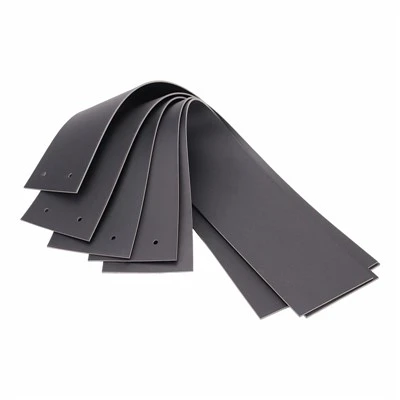
If you’re interested in purchasing flexible metal sheets for your next project, I’d be more than happy to assist you. Our company offers a wide range of high-quality flexible metal sheets in various metals, thicknesses, and sizes. We have the expertise and experience to help you choose the right material for your specific application and provide you with the support you need to ensure a successful project.
Radiation Shielding Acrylic Contact us today to discuss your requirements and explore how our flexible metal sheets can meet your needs. We look forward to working with you!
References
- Callister, W. D., & Rethwisch, D. G. (2018). Materials Science and Engineering: An Introduction. Wiley.
- ASM Handbook Committee. (2008). ASM Handbook, Volume 2: Properties and Selection: Nonferrous Alloys and Special-Purpose Materials. ASM International.
Shenzhen Magplus Technology Co., Ltd.
As one of the most professional flexible metal sheet manufacturers and suppliers in China, we’re featured by quality products and good service. Please rest assured to wholesale customized flexible metal sheet made in China here from our factory. Also, free sample is available.
Address: Room 602, Rujun Building, No.105 Zhongxing Rd, Bantian Street, Shenzhen, China.
E-mail: Iris.huang@newlife.cn
WebSite: https://www.newlifemagplus.com/
