As a supplier in the automotive industry production equipment sector, I’ve witnessed firsthand the profound influence that our equipment has on the environment. In this blog, I’ll delve into the various environmental impacts associated with automotive production equipment, exploring both the challenges and the opportunities for more sustainable practices. Automotive Industry Production Equipment
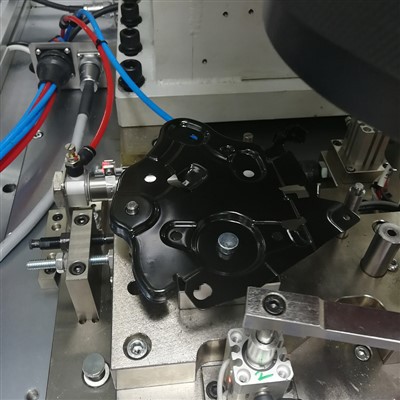
Energy Consumption
One of the most significant environmental impacts of automotive production equipment is its energy consumption. Manufacturing processes in the automotive industry are energy – intensive, and the equipment used plays a crucial role. For instance, stamping presses, which are used to shape metal parts, require a large amount of electricity to operate. These presses often have high – power motors that run continuously during production.
Similarly, welding equipment, whether it’s resistance welding or arc welding, consumes a substantial amount of energy. The heat generation required for welding processes is energy – hungry, and in large – scale automotive production, the cumulative energy use can be staggering.
On average, an automotive production plant can consume millions of kilowatt – hours of electricity per year. This high energy consumption not only contributes to increased greenhouse gas emissions but also puts a strain on the power grid. As a supplier, we are constantly looking for ways to improve the energy efficiency of our equipment. For example, we are developing stamping presses with advanced motor control systems that can adjust power consumption based on the load. This allows the presses to operate more efficiently, reducing overall energy use.
Waste Generation
Automotive production equipment also generates a significant amount of waste. Machining processes, such as turning, milling, and drilling, produce metal chips and shavings. These waste materials need to be properly managed to prevent environmental contamination. If not disposed of correctly, they can end up in landfills, where they may leach harmful substances into the soil and groundwater.
In addition to metal waste, there is also waste from the use of lubricants and coolants in machining operations. These fluids can become contaminated with metal particles and other impurities over time, and eventually, they need to be replaced. Improper disposal of used lubricants and coolants can lead to soil and water pollution.
As a supplier, we are promoting the use of equipment that reduces waste generation. For example, some of our machining centers are equipped with chip management systems that can separate and collect metal chips for recycling. We are also encouraging the use of environmentally friendly lubricants and coolants that are biodegradable and less harmful to the environment.
Chemical Usage
Automotive production involves the use of a wide range of chemicals, and the equipment used in the process is often associated with their application. For example, painting equipment is used to apply paint and coatings to automotive parts. These paints and coatings contain solvents, which can be volatile organic compounds (VOCs). When these VOCs are released into the atmosphere during the painting process, they contribute to air pollution and can have negative health effects on workers and the surrounding community.
Surface treatment equipment, such as electroplating and anodizing systems, also use chemicals. Electroplating involves the use of metal salts and acids, which can be hazardous if not properly managed. Anodizing processes use sulfuric acid and other chemicals, and the waste solutions from these processes need to be treated before disposal.
To address these issues, we are working on developing equipment that reduces chemical usage. For example, we are promoting the use of water – based paints and coatings in our painting equipment. These water – based alternatives have lower VOC emissions compared to traditional solvent – based paints. We are also developing more efficient surface treatment equipment that can reduce the amount of chemicals used and improve the recycling of waste solutions.
Noise Pollution
Automotive production equipment can generate significant noise pollution. Machines such as presses, drills, and conveyors produce loud noises during operation. Prolonged exposure to high – level noise can cause hearing loss and other health problems for workers in the production facilities. Moreover, noise pollution can also have an impact on the surrounding community.
As a supplier, we are aware of the importance of reducing noise levels. We are designing our equipment with noise – reducing features. For example, we are using vibration – dampening materials in the construction of our presses to reduce the noise generated during stamping operations. We are also developing quieter motors and drives for our equipment.
Opportunities for Sustainable Practices
Despite the environmental challenges associated with automotive production equipment, there are also many opportunities for more sustainable practices. One of the key areas is the use of renewable energy sources. Many automotive production plants are now exploring the use of solar panels and wind turbines to power their equipment. As a supplier, we can support these efforts by developing equipment that is compatible with renewable energy systems.
Another opportunity is the implementation of circular economy principles. By designing equipment that is easier to repair, reuse, and recycle, we can reduce the amount of waste generated. For example, we can design modular equipment where individual components can be easily replaced, extending the lifespan of the equipment.
We can also collaborate with our customers to develop more sustainable production processes. For example, we can work with them to optimize the use of raw materials and reduce energy consumption. By providing training and support, we can help our customers implement best practices in environmental management.
Conclusion
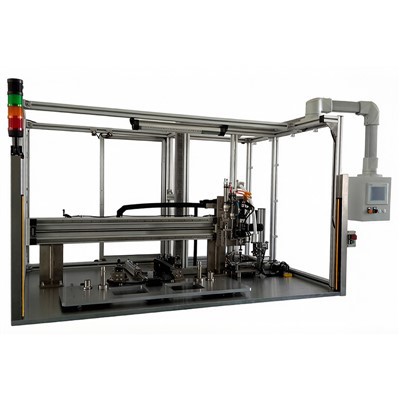
In conclusion, the environmental impacts of automotive production equipment are significant, but there are also many ways to mitigate these impacts. As a supplier in the automotive industry production equipment sector, we have a responsibility to develop and promote more sustainable equipment. By focusing on energy efficiency, waste reduction, chemical management, and noise control, we can help our customers reduce their environmental footprint.
Automotive Industry Production Equipment If you are interested in learning more about our sustainable automotive production equipment or would like to start a procurement discussion, we would be more than happy to hear from you. Our team of experts is ready to provide you with detailed information and solutions tailored to your specific needs.
References
- "Automotive Manufacturing: Environmental Impacts and Solutions" – Journal of Sustainable Manufacturing
- "Energy Efficiency in Automotive Production Equipment" – International Journal of Automotive Engineering
- "Waste Management in the Automotive Industry" – Environmental Science and Technology
Shanghai Zenyan Automation Engineering Co., Ltd.
As one of the leading automotive industry production equipment manufacturers in China, we warmly welcome you to buy advanced automotive industry production equipment made in China here from our factory. All customized machines are with high quality and low price. Contact us for quotation.
Address: 3rd Floor, Building A, No.5629 Beisong Road, Chedun Town, Songjiang District, Shanghai, China
E-mail: zenyan_sh@163.com
WebSite: https://www.zenyanauto.com/
