As a provider of water purification equipment, I’ve seen firsthand the growing need for efficient and reliable swimming pool water purification systems. In this blog, I’ll delve into the intricacies of how these systems work, shedding light on the processes that keep pool water clean, safe, and inviting. Water Purification Equipment

Understanding the Basics of Pool Water Contamination
Before we explore the purification process, it’s crucial to understand what contaminants are commonly found in swimming pool water. These can include a variety of substances, such as dirt, debris, bacteria, viruses, body oils, sweat, and sunscreen residues. All of these can accumulate in the pool over time, leading to a cloudy appearance, unpleasant odors, and potential health risks for swimmers.
Debris like leaves, twigs, and insects can enter the pool from the surrounding environment. Bacteria and viruses are introduced by swimmers themselves, as well as through contact with outside sources. Body oils, sweat, and sunscreen residues not only affect the water’s clarity but can also react with chlorine, reducing its effectiveness as a disinfectant.
The Role of Circulation in Pool Water Purification
The first step in a pool water purification system is circulation. A pool pump is the heart of this process, pulling water from the pool through a skimmer and main drain. The skimmer is located at the water’s surface and is designed to capture floating debris, such as leaves and insects. The main drain, on the other hand, removes heavier debris that has settled at the bottom of the pool.
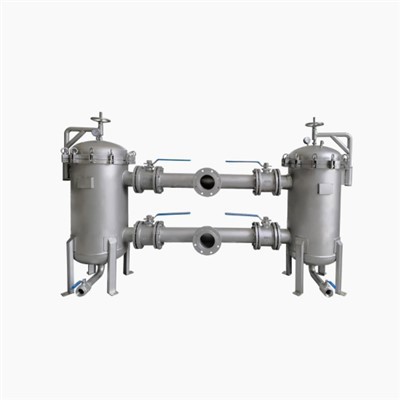
Once the water is drawn into the pump, it is then pushed through a filter. The filter plays a crucial role in removing solid particles from the water. There are several types of filters commonly used in swimming pool purification systems, including sand filters, cartridge filters, and diatomaceous earth (DE) filters.
Sand Filters
Sand filters are one of the most popular types of filters for pool water purification. They work by passing the water through a bed of sand, which traps solid particles as the water flows through. The sand acts as a physical barrier, preventing debris from passing through and returning to the pool.
Over time, the sand in the filter becomes clogged with debris, reducing its effectiveness. To clean a sand filter, a process called backwashing is performed. During backwashing, water is pumped through the filter in the opposite direction, flushing out the trapped debris and restoring the filter’s efficiency.
Cartridge Filters
Cartridge filters use a replaceable cartridge made of a pleated material to trap solid particles. The pleated design provides a large surface area for filtration, allowing for more efficient removal of debris. Cartridge filters are known for their ability to capture smaller particles compared to sand filters.
To clean a cartridge filter, the cartridge must be removed from the filter housing and rinsed with a hose. In some cases, a special filter cleaner may be used to remove stubborn deposits. Cartridge filters typically need to be replaced every 1 – 3 years, depending on usage and maintenance.
Diatomaceous Earth (DE) Filters
DE filters are the most efficient type of filter for pool water purification. They use a fine powder made from the fossilized remains of diatoms to coat a series of grids or grids inside the filter housing. As water passes through the DE – coated grids, even the smallest particles are trapped.
DE filters provide excellent filtration, producing crystal – clear pool water. However, they require more maintenance compared to sand and cartridge filters. After a certain period of use, the filter must be backwashed to remove the trapped debris and re – coated with fresh DE powder.
Disinfection: Keeping Bacteria and Viruses at Bay
Once the water has passed through the filter, it enters the disinfection stage. The most common method of disinfection in swimming pools is the use of chlorine. Chlorine is a powerful disinfectant that can kill a wide range of bacteria, viruses, and other microorganisms.
There are several forms of chlorine that can be used in pool water purification systems, including chlorine tablets, chlorine granules, and liquid chlorine. Chlorine tablets are convenient and are often placed in a floating dispenser or a chlorine feeder. Chlorine granules can be added directly to the pool, while liquid chlorine is typically used for quick adjustments to the chlorine levels.
When chlorine is added to pool water, it forms hypochlorous acid (HOCl) and hypochlorite ions (OCl -). These compounds are responsible for the disinfecting action. Hypochlorous acid is a more effective disinfectant than hypochlorite ions, and its concentration in the water is affected by factors such as pH and temperature.
The ideal pH range for pool water is between 7.2 and 7.8. If the pH is too high or too low, the effectiveness of chlorine as a disinfectant can be reduced. Therefore, it’s important to regularly test the pH of the pool water and make adjustments as needed.
Other Disinfection Methods
In addition to chlorine, there are other disinfection methods that can be used in swimming pool water purification systems. One such method is the use of bromine. Bromine is similar to chlorine in its disinfecting properties but is less affected by high temperatures and pH fluctuations. It is often used in hot tubs and spas, as well as in some swimming pools.
Another disinfection method is ultraviolet (UV) light. UV light can kill bacteria, viruses, and other microorganisms by damaging their DNA. A UV disinfection system typically consists of a UV lamp housed in a chamber through which the pool water passes. While UV light is effective at killing microorganisms, it does not provide a residual disinfectant in the water, so it is often used in conjunction with chlorine or bromine.
Balancing the Chemicals
Maintaining the proper chemical balance in pool water is essential for effective purification and the safety of swimmers. In addition to pH and chlorine levels, other chemicals that need to be monitored include alkalinity, calcium hardness, and cyanuric acid.
Total alkalinity is a measure of the water’s ability to resist changes in pH. It should be maintained in the range of 80 – 120 parts per million (ppm). If the alkalinity is too low, the pH can fluctuate rapidly, making it difficult to maintain a stable disinfectant level. If the alkalinity is too high, the water can become cloudy and the chlorine may be less effective.
Calcium hardness refers to the amount of dissolved calcium in the water. It should be maintained in the range of 200 – 400 ppm. If the calcium hardness is too low, the water can be corrosive, damaging the pool surfaces and equipment. If the calcium hardness is too high, scale can form on the pool walls and in the plumbing.
Cyanuric acid is often added to pool water to protect chlorine from being broken down by sunlight. It should be maintained in the range of 30 – 50 ppm. If the cyanuric acid level is too high, it can reduce the effectiveness of chlorine, while if it is too low, the chlorine will be rapidly degraded by sunlight.
The Role of Ozone in Pool Water Purification
Ozone is a powerful oxidizing agent that can be used in pool water purification systems. It is produced by an ozone generator, which uses electricity to convert oxygen into ozone. Ozone is highly effective at killing bacteria, viruses, and other microorganisms, as well as breaking down organic compounds in the water.
When ozone is introduced into the pool water, it reacts with contaminants, oxidizing them and causing them to clump together. These clumps can then be more easily removed by the filter. Ozone is also effective at reducing the amount of chlorine needed in the pool, as it can help to break down chloramines, which are formed when chlorine reacts with organic matter and can cause eye and skin irritation.
However, ozone is a highly reactive gas and can be dangerous if not used properly. Pool water purification systems that use ozone typically include a safety mechanism to ensure that any excess ozone is properly removed before the water returns to the pool.
Professional Maintenance and Monitoring
While modern pool water purification systems are designed to be relatively low – maintenance, regular professional maintenance and monitoring are still essential. A professional pool service technician can perform regular inspections of the pool and its equipment, check the chemical levels, and ensure that the purification system is working properly.
They can also identify and address any potential issues before they become major problems, such as leaks in the plumbing, malfunctioning pumps or filters, or improper chemical balance. Additionally, professional technicians have the knowledge and experience to handle any emergency situations that may arise, such as a sudden drop in chlorine levels or a severe algae bloom.
Contact Us for Your Pool Water Purification Needs
As a trusted provider of water purification equipment, we understand the importance of a clean and safe swimming pool. Our team of experts can help you choose the right water purification system for your pool, whether it’s a small residential pool or a large commercial facility. We offer a wide range of high – quality products, including pumps, filters, disinfectants, and monitoring equipment.
If you’re interested in learning more about our swimming pool water purification solutions or have any questions about the purification process, we encourage you to contact us. Our knowledgeable sales team is ready to discuss your specific needs and provide you with a customized solution that meets your requirements and budget.
Sewage Treatment Plant Investing in a reliable water purification system is not only essential for the health and safety of your swimmers but also for the longevity of your pool. Don’t let dirty or contaminated water ruin your swimming experience. Contact us today to start your journey towards a crystal – clear and inviting pool.
References
- "The Pool & Spa Operator Handbook" by the National Swimming Pool Foundation.
- "Chemistry of Swimming Pool Water" by the American Chemistry Council.
- "Ozone Systems for Swimming Pools" by the International Ozone Association.
Shandong Lingke Environmental Technology Co., Ltd.
We’re well-known as one of the leading water purification equipment manufacturers and suppliers in China, featured by quality products and good price. Please rest assured to buy durable water purification equipment for sale here from our factory. Customized orders are welcome.
Address: 100 Meters South of the Intersection of County Road 042 and National Highway 309, Changle County, Weifang City, Shandong Province
E-mail: aileenlin@sdlingkegroup.com
WebSite: https://www.lkecotech.com/
