As a seasoned supplier in the field of connecting rod machining, I’ve witnessed firsthand the critical differences between rough and finish machining of connecting rods. These differences are not just technical nuances but are fundamental to the quality, performance, and cost – effectiveness of the final product. In this blog, I’ll delve into the intricacies of these two machining processes and explain why they are so crucial in the production of high – quality connecting rods. Connecting Rod Machining
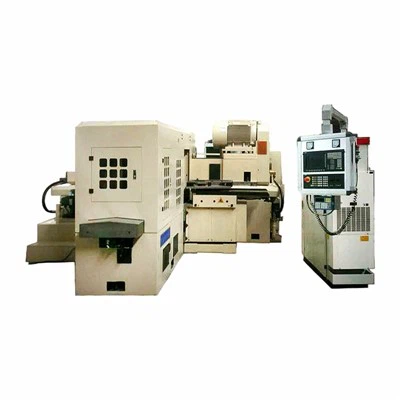
Rough Machining of Connecting Rods
Rough machining is the initial stage in the production of connecting rods. Its primary purpose is to remove a large amount of material from the raw stock to bring the connecting rod close to its final shape. This process is characterized by high – material removal rates and relatively low precision.
1. Material Removal
In rough machining, we start with a raw material, often a forged or cast blank. The goal here is to quickly reduce the excess material. For example, when working with a forged connecting rod blank, we use cutting tools such as end mills and drills to remove large chunks of metal. This is done through operations like face milling, where the flat surfaces of the connecting rod are shaped, and boring, which creates the holes for the piston pin and the crankshaft journal.
2. Tool Selection
The tools used in rough machining are designed to withstand high cutting forces. Carbide – tipped tools are commonly employed due to their high hardness and wear resistance. These tools can handle the large – scale material removal without significant wear, ensuring a consistent machining process.
3. Tolerance and Surface Finish
Rough machining does not require high precision. The tolerances are relatively wide, typically in the range of several hundredths of a millimeter. The surface finish is also not a primary concern at this stage. The surface may have visible tool marks and irregularities, as the main focus is on removing material efficiently.
4. Cost – Effectiveness
Rough machining is a cost – effective process. Since it involves high – speed material removal, the production time is relatively short. This reduces the overall manufacturing cost, especially when dealing with large – volume production. However, it’s important to note that rough machining alone cannot produce a finished connecting rod.
Finish Machining of Connecting Rods
Finish machining is the final stage in the production of connecting rods. It is focused on achieving the required precision, surface finish, and dimensional accuracy.
1. Precision and Dimensional Accuracy
Finish machining is all about getting the connecting rod to the exact specifications. The tolerances in finish machining are extremely tight, often in the range of a few thousandths of a millimeter. For example, the diameter of the piston pin hole and the crankshaft journal must be within very precise limits to ensure proper fit and function. Any deviation from these specifications can lead to performance issues, such as increased friction, reduced power output, and premature wear.
2. Surface Finish
The surface finish of a connecting rod is crucial for its performance. A smooth surface reduces friction between the connecting rod and other engine components, such as the piston and the crankshaft. In finish machining, processes like grinding, honing, and polishing are used to achieve a high – quality surface finish. For instance, honing is often used to create a cross – hatched pattern on the inner surface of the piston pin hole, which helps in retaining lubricant and reducing wear.
3. Tool Selection
The tools used in finish machining are different from those in rough machining. They are designed for high – precision cutting and finishing. For example, diamond – coated tools are often used in grinding operations due to their excellent cutting ability and wear resistance. These tools can achieve the fine surface finishes and tight tolerances required for a finished connecting rod.
4. Quality Control
Finish machining requires strict quality control measures. Each connecting rod is inspected using advanced measuring equipment, such as coordinate measuring machines (CMMs). These machines can accurately measure the dimensions and surface finish of the connecting rod, ensuring that it meets the required specifications. Any connecting rod that does not meet the standards is rejected.
Key Differences Between Rough and Finish Machining
1. Material Removal Rate
The most obvious difference between rough and finish machining is the material removal rate. Rough machining has a high material removal rate, as it is designed to quickly remove large amounts of material. In contrast, finish machining has a very low material removal rate, as it is focused on fine – tuning the shape and surface finish of the connecting rod.
2. Precision and Tolerance
Rough machining has relatively wide tolerances, while finish machining requires extremely tight tolerances. The precision in finish machining is essential for the proper functioning of the connecting rod in an engine.
3. Surface Finish
The surface finish in rough machining is relatively poor, with visible tool marks. Finish machining, on the other hand, aims for a smooth and high – quality surface finish.
4. Tooling and Equipment
The tools and equipment used in rough and finish machining are different. Rough machining uses tools that can withstand high cutting forces, while finish machining uses tools designed for high – precision cutting and finishing.
5. Cost
Rough machining is generally more cost – effective due to its high – speed material removal. Finish machining is more expensive because of the precision and quality control required.
Importance of Both Processes in Connecting Rod Production
Both rough and finish machining are essential in the production of connecting rods. Rough machining lays the foundation by quickly removing excess material and shaping the basic form of the connecting rod. Without rough machining, the finish machining process would be extremely time – consuming and costly.
Finish machining, on the other hand, ensures that the connecting rod meets the high – quality standards required for use in engines. It is responsible for the precision, surface finish, and dimensional accuracy that are crucial for the performance and durability of the connecting rod.
Conclusion

In conclusion, the difference between rough and finish machining of connecting rods is significant. Each process has its own unique characteristics, requirements, and importance in the production of high – quality connecting rods. As a connecting rod machining supplier, we understand the importance of both processes and strive to provide the best – quality products to our customers.
Connecting Rod Machining If you are in the market for high – quality connecting rods, we would love to discuss your requirements. Our team of experts has extensive experience in both rough and finish machining, and we are committed to delivering products that meet your exact specifications. Contact us to start a conversation about your connecting rod needs.
References
- Kalpakjian, S., & Schmid, S. R. (2009). Manufacturing Engineering and Technology. Pearson Prentice Hall.
- Boothroyd, G., Dewhurst, P., & Knight, W. A. (2011). Product Design for Manufacture and Assembly. CRC Press.
Rushan Shuangxing Machine Tool Manufacturing Co., Ltd.
Rushan Shuangxing Machine Tool Manufacturing Co., Ltd. is one of the most reliable connecting rod machining manufacturers and suppliers in China, featured by quality products and low price. Please rest assured to wholesale durable connecting rod machining for sale here from our factory. Customized orders are welcome.
Address: No. 28, Chuangye 1st Road, Rushan, Weihai, Shandong Province, China.
E-mail: wxm@rssxjc.net
WebSite: https://www.ddgmachine.com/
