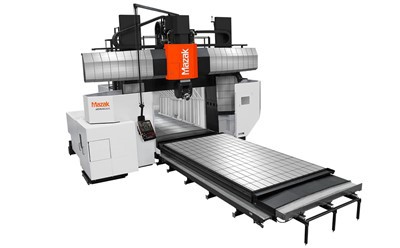
Optimizing the cutting path in a horizontal machining center is a crucial aspect of enhancing machining efficiency, improving part quality, and reducing production costs. As a supplier of horizontal machining centers, I have witnessed firsthand the impact of well – optimized cutting paths on the overall performance of these machines. In this blog, I will share some key strategies and techniques to optimize the cutting path in a horizontal machining center. Horizontal Machining Centers
Understanding the Basics of Cutting Path Optimization
Before delving into the optimization techniques, it is essential to understand what a cutting path is and why it matters. The cutting path refers to the route that the cutting tool follows during the machining process. A well – designed cutting path can minimize the machining time, reduce tool wear, and improve the surface finish of the workpiece.
One of the primary goals of cutting path optimization is to reduce the non – cutting time. Non – cutting time includes the time spent on rapid traverses, tool changes, and positioning. By minimizing these times, we can significantly increase the overall machining efficiency.
Analyzing the Workpiece and Machining Requirements
The first step in optimizing the cutting path is to thoroughly analyze the workpiece and its machining requirements. This includes understanding the geometry of the part, the material properties, and the required tolerances. Different materials have different cutting characteristics, and the cutting path needs to be adjusted accordingly.
For example, when machining a hard material like stainless steel, a slower cutting speed and a smaller depth of cut may be required to prevent excessive tool wear. On the other hand, for a softer material like aluminum, a higher cutting speed and a larger depth of cut can be used to increase the machining efficiency.
Selecting the Right Cutting Strategy
There are several cutting strategies that can be used in a horizontal machining center, and the choice of strategy depends on the workpiece geometry and the machining requirements. Some common cutting strategies include:
Conventional Milling
Conventional milling is a widely used cutting strategy where the cutting tool rotates in the opposite direction of the workpiece feed. This strategy is suitable for roughing operations as it can remove a large amount of material quickly. However, it may cause more tool wear compared to other strategies.
Climb Milling
Climb milling is the opposite of conventional milling, where the cutting tool rotates in the same direction as the workpiece feed. This strategy can provide a better surface finish and less tool wear, making it ideal for finishing operations.
Pocket Milling
Pocket milling is used to create pockets or cavities in the workpiece. There are different pocket milling strategies, such as zig – zag, spiral, and contour milling. The choice of strategy depends on the shape and size of the pocket. For example, a spiral pocket milling strategy can be more efficient for circular pockets, while a zig – zag strategy may be better for rectangular pockets.
Using CAM Software for Cutting Path Generation
Computer – Aided Manufacturing (CAM) software plays a vital role in optimizing the cutting path in a horizontal machining center. CAM software allows us to generate complex cutting paths based on the workpiece geometry and machining requirements.
Modern CAM software offers a wide range of features for cutting path optimization. For example, it can automatically calculate the optimal cutting speed, feed rate, and depth of cut based on the material and tool information. It can also generate smooth and efficient cutting paths by minimizing the number of rapid traverses and tool changes.
When using CAM software, it is important to input accurate information about the workpiece, tool, and machining parameters. This will ensure that the generated cutting path is optimized for the specific machining task.
Tool Selection and Management
The choice of cutting tools is another important factor in cutting path optimization. Different tools are designed for different machining operations and materials. For example, end mills are commonly used for milling operations, while drills are used for hole – making.
It is essential to select the right tool for the job to ensure efficient and accurate machining. The tool’s geometry, coating, and material can all affect the cutting performance. For example, a tool with a high – performance coating can reduce friction and heat generation, leading to less tool wear and a better surface finish.
In addition to tool selection, proper tool management is also crucial. This includes tool storage, tool calibration, and tool replacement. Regular tool maintenance can help extend the tool life and ensure consistent machining quality.
Minimizing Tool Changes
Tool changes can significantly increase the non – cutting time and reduce the overall machining efficiency. Therefore, it is important to minimize the number of tool changes during the machining process.
One way to achieve this is by using a tool magazine with a large capacity. A tool magazine can hold multiple tools, allowing for quick and easy tool changes without the need for manual intervention. Another approach is to group similar machining operations together and use the same tool for multiple operations whenever possible.
Considering the Machine’s Capabilities
The capabilities of the horizontal machining center also need to be considered when optimizing the cutting path. Different machines have different spindle speeds, feed rates, and axis travel ranges. The cutting path should be designed to take full advantage of the machine’s capabilities while staying within its limitations.
For example, if the machine has a high – speed spindle, a higher cutting speed can be used to increase the machining efficiency. However, if the machine has a limited axis travel range, the cutting path needs to be planned to ensure that the workpiece can be machined within the available range.
Testing and Fine – Tuning the Cutting Path
Once the cutting path has been generated, it is important to test it on a sample workpiece. This will allow us to identify any potential issues, such as tool collisions, excessive tool wear, or poor surface finish.
During the testing process, we can collect data on the machining time, tool wear, and surface quality. Based on this data, we can fine – tune the cutting path by adjusting the cutting parameters, such as the cutting speed, feed rate, and depth of cut.
Continuous Improvement
Cutting path optimization is not a one – time process. As new materials, tools, and machining techniques become available, it is important to continuously review and improve the cutting path. By staying up – to – date with the latest advancements in the field, we can ensure that our horizontal machining centers are operating at their maximum efficiency.
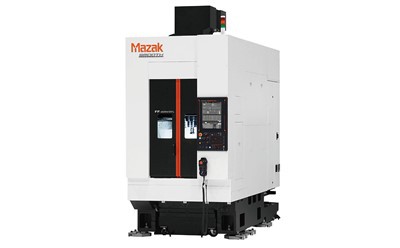
In conclusion, optimizing the cutting path in a horizontal machining center is a complex but rewarding process. By following the strategies and techniques outlined in this blog, we can improve the machining efficiency, reduce production costs, and enhance the quality of the machined parts.
Measuring Machine If you are interested in learning more about how our horizontal machining centers can help you optimize your cutting paths and improve your machining operations, please feel free to contact us for a procurement discussion. We are committed to providing high – quality machining solutions and excellent customer service.
References
- Groover, M. P. (2010). Fundamentals of Modern Manufacturing: Materials, Processes, and Systems. Wiley.
- Paul DeVor, T. N. (2007). Manufacturing Engineering and Technology. Pearson Prentice Hall.
- Boothroyd, G., Dewhurst, P., & Knight, W. A. (2002). Product Design for Manufacture and Assembly. Marcel Dekker.
Hermens Industrial Co., Ltd.
As one of the most professional horizontal machining centers enterprises in China, we’re featured by quality products and low price. Please rest assured to buy cheap horizontal machining centers in stock here and get quotation from our factory. We also accept customized orders.
Address: 97/242,Soi6/1,Alley Perfect Place Village, Phase 3 Ladkrabang20/3 Rachathewa,Bangphli Samutprakan, Thailand
E-mail: liu_jincheng@hzhemen.com
WebSite: https://www.hermensindustrial.com/
