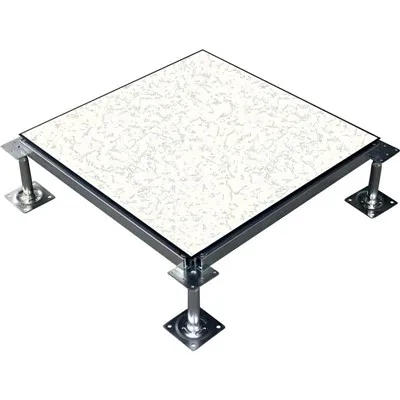
Installing cable management in a raised access flooring system is a crucial task that can significantly enhance the functionality, safety, and aesthetics of a commercial or industrial space. As a provider of raised access flooring systems, I have witnessed firsthand the importance of proper cable management in ensuring a well-organized and efficient workspace. In this blog post, I will share my insights and experiences on how to install cable management in a raised access flooring system, covering everything from planning and design to installation and maintenance. Raised Access Flooring System
Planning and Design
The first step in installing cable management in a raised access flooring system is to plan and design the layout. This involves assessing the specific needs of the space, including the number and type of cables, the location of equipment, and the future growth potential. Here are some key considerations to keep in mind during the planning phase:
- Cable Types and Quantities: Determine the types of cables that will be used in the space, such as power cables, data cables, and telecommunications cables. Estimate the quantity of each type of cable based on the equipment requirements and the layout of the space.
- Equipment Placement: Identify the location of all equipment, including servers, computers, printers, and other devices. This will help you determine the optimal routing for the cables and ensure that they are easily accessible for maintenance and upgrades.
- Future Growth: Consider the future growth potential of the space and plan for additional cables and equipment. This may involve leaving extra space in the cable management system or using modular components that can be easily expanded.
- Code Compliance: Ensure that the cable management system complies with all relevant codes and standards, such as the National Electrical Code (NEC) and the Telecommunications Industry Association (TIA) standards. This will help ensure the safety and reliability of the system.
Once you have completed the planning and design phase, you can create a detailed cable management plan that includes a layout diagram, a bill of materials, and installation instructions. This plan will serve as a guide for the installation process and help ensure that the cable management system is installed correctly.
Cable Management Components
There are several types of cable management components that can be used in a raised access flooring system, including cable trays, cable raceways, cable ladders, and cable management panels. Each type of component has its own advantages and disadvantages, and the choice of component will depend on the specific needs of the space. Here are some common cable management components and their features:
- Cable Trays: Cable trays are open metal or plastic structures that are used to support and organize cables. They are available in a variety of sizes and configurations and can be installed horizontally or vertically. Cable trays are ideal for large quantities of cables and are often used in data centers and other high-density environments.
- Cable Raceways: Cable raceways are enclosed channels that are used to protect and conceal cables. They are available in a variety of materials, including plastic, metal, and fiberglass, and can be installed on walls, floors, or ceilings. Cable raceways are ideal for smaller quantities of cables and are often used in office spaces and other low-density environments.
- Cable Ladders: Cable ladders are similar to cable trays, but they have a more open design that allows for better ventilation and cable access. They are typically used in industrial settings and other environments where large quantities of cables need to be supported.
- Cable Management Panels: Cable management panels are modular components that are used to organize and manage cables in a rack or cabinet. They are available in a variety of sizes and configurations and can be customized to meet the specific needs of the space. Cable management panels are ideal for data centers and other high-density environments.
When selecting cable management components, it is important to consider the specific needs of the space, including the type and quantity of cables, the location of equipment, and the future growth potential. It is also important to choose components that are compatible with the raised access flooring system and that meet all relevant codes and standards.
Installation Process
The installation process for cable management in a raised access flooring system typically involves the following steps:
- Prepare the Flooring: Before installing the cable management system, it is important to prepare the raised access flooring. This may involve cleaning the floor, removing any debris or obstacles, and ensuring that the floor is level and stable.
- Install the Cable Management Components: Once the flooring is prepared, you can begin installing the cable management components. This may involve mounting cable trays, raceways, ladders, or panels to the floor or walls using screws, bolts, or other fasteners.
- Route the Cables: After the cable management components are installed, you can begin routing the cables through the system. This may involve pulling the cables through the trays, raceways, or ladders and securing them in place using cable ties or other fasteners.
- Label the Cables: To make it easier to identify and manage the cables, it is important to label them clearly. This may involve using cable markers, labels, or tags to indicate the type, location, and function of each cable.
- Test the System: Once the cables are installed and labeled, it is important to test the system to ensure that it is working properly. This may involve checking the continuity of the cables, testing the signal strength, and verifying that all equipment is functioning correctly.
During the installation process, it is important to follow all relevant codes and standards and to use proper safety procedures. This may involve wearing protective gear, such as gloves and safety glasses, and using tools and equipment that are in good working condition.
Maintenance and Upgrades
Once the cable management system is installed, it is important to maintain and upgrade it regularly to ensure its continued performance and reliability. Here are some key maintenance and upgrade tasks to keep in mind:
- Inspect the System: Regularly inspect the cable management system to check for any signs of damage, wear, or corrosion. This may involve visually inspecting the components, checking the connections, and testing the cables.
- Clean the System: Keep the cable management system clean and free of debris to prevent dust and dirt from accumulating and causing problems. This may involve using a vacuum cleaner or compressed air to remove any dust or debris from the components.
- Replace Damaged Components: If any components of the cable management system are damaged or worn, it is important to replace them as soon as possible to prevent further damage or failure.
- Upgrade the System: As technology evolves and the needs of the space change, it may be necessary to upgrade the cable management system to accommodate new equipment or to improve its performance. This may involve adding new components, upgrading existing components, or reconfiguring the system.
By following these maintenance and upgrade tasks, you can ensure that the cable management system in your raised access flooring system remains in good working condition and continues to meet the needs of your space.
Conclusion
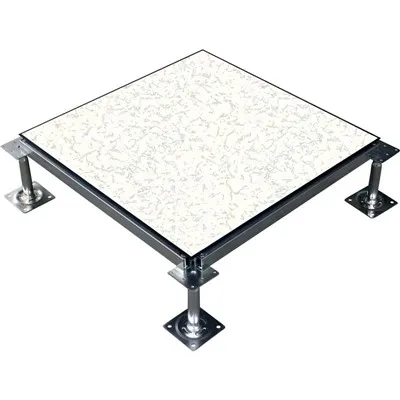
Raised Access Floor Tile Installing cable management in a raised access flooring system is a complex and important task that requires careful planning, design, and installation. By following the guidelines and best practices outlined in this blog post, you can ensure that your cable management system is installed correctly, functions properly, and meets all relevant codes and standards. If you have any questions or need further assistance with installing cable management in a raised access flooring system, please do not hesitate to contact us. We are a leading provider of raised access flooring systems and can help you find the right solution for your needs.
References
- National Electrical Code (NEC)
- Telecommunications Industry Association (TIA) standards
- Manufacturer’s installation instructions for cable management components
Fineco Tech Co., Ltd.
As one of the most professional raised access flooring system manufacturers and suppliers in China, we’re featured by quality products and good service. Welcome to wholesale customized raised access flooring system made in China here from our factory. If you have any enquiry about cooperation, please feel free to email us.
Address: Wuyue Square, Wujin District, Changzhou, Jiangsu, China
E-mail: info@finecotech.com
WebSite: https://www.finecoglobal.com/
